Normann Copenhagen

Normann Copenhagen
Cover image missing

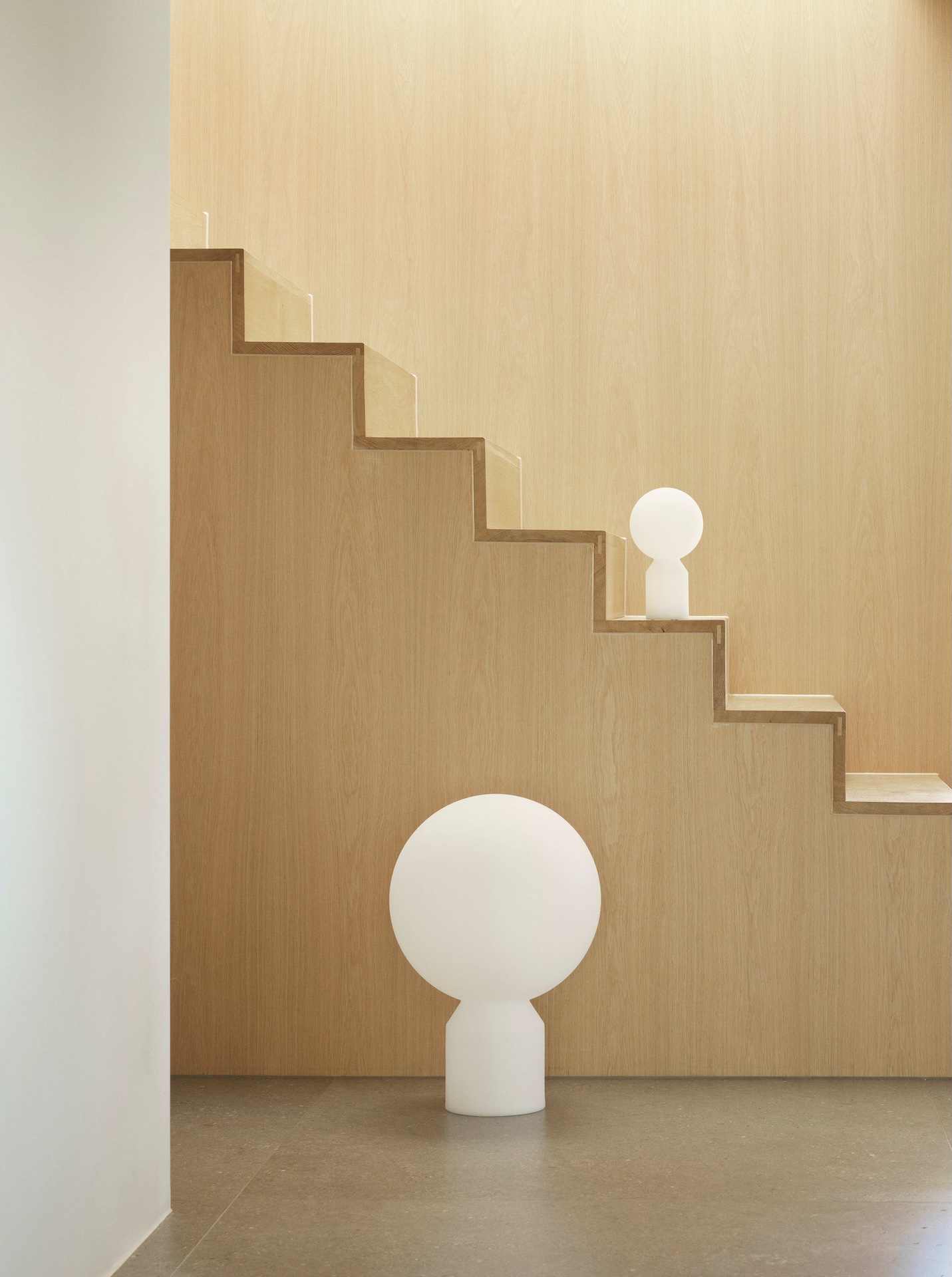
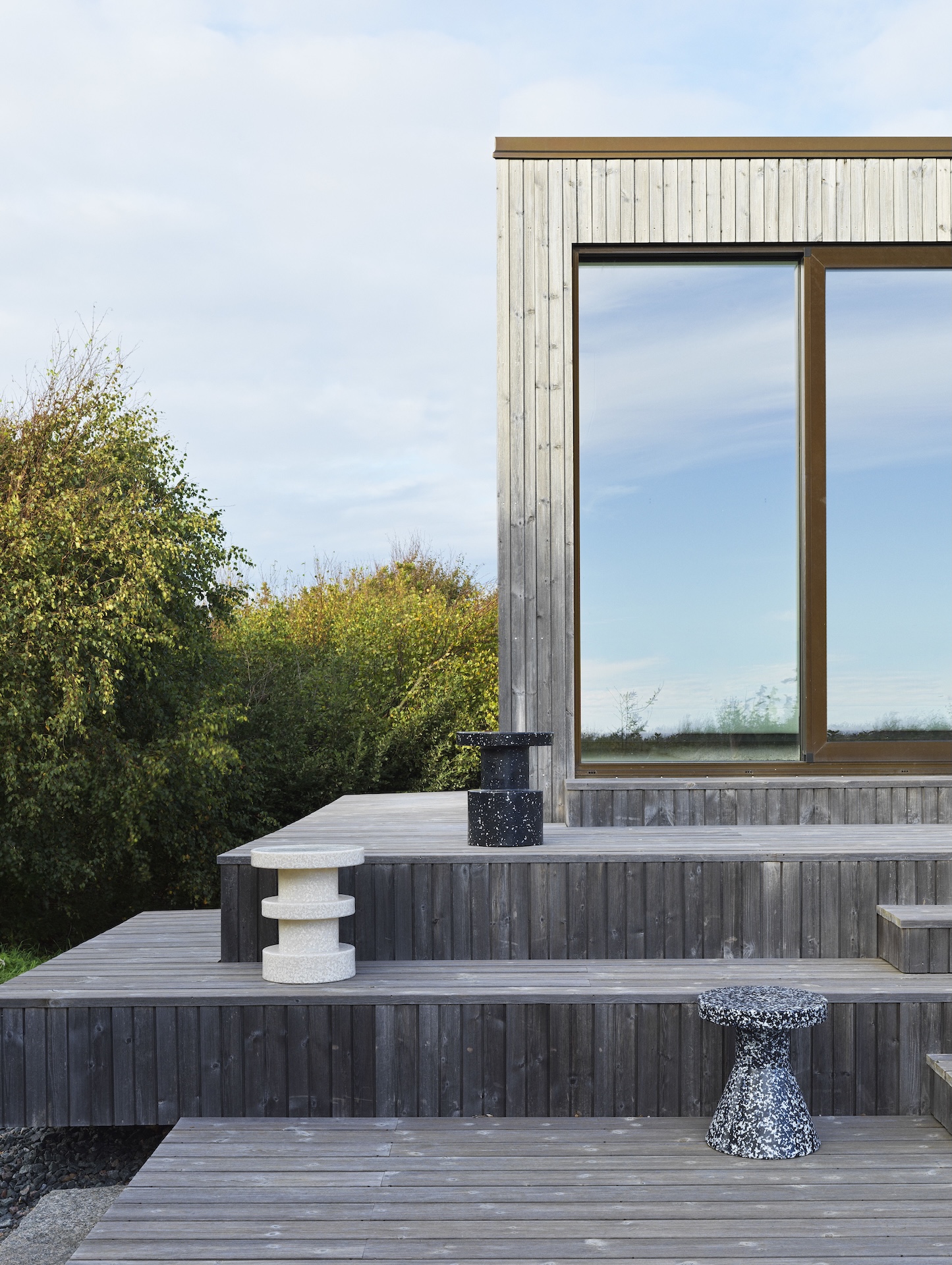
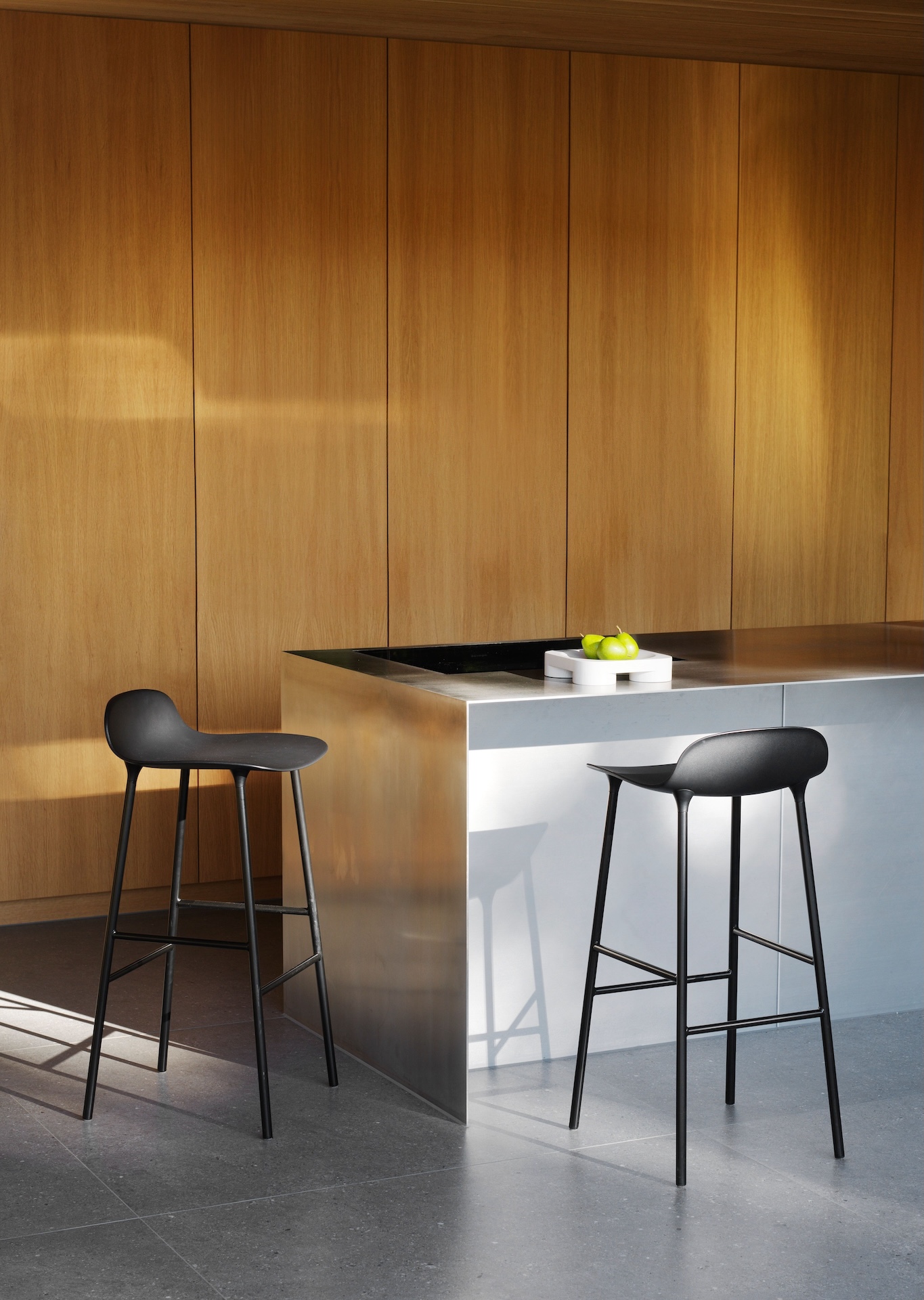
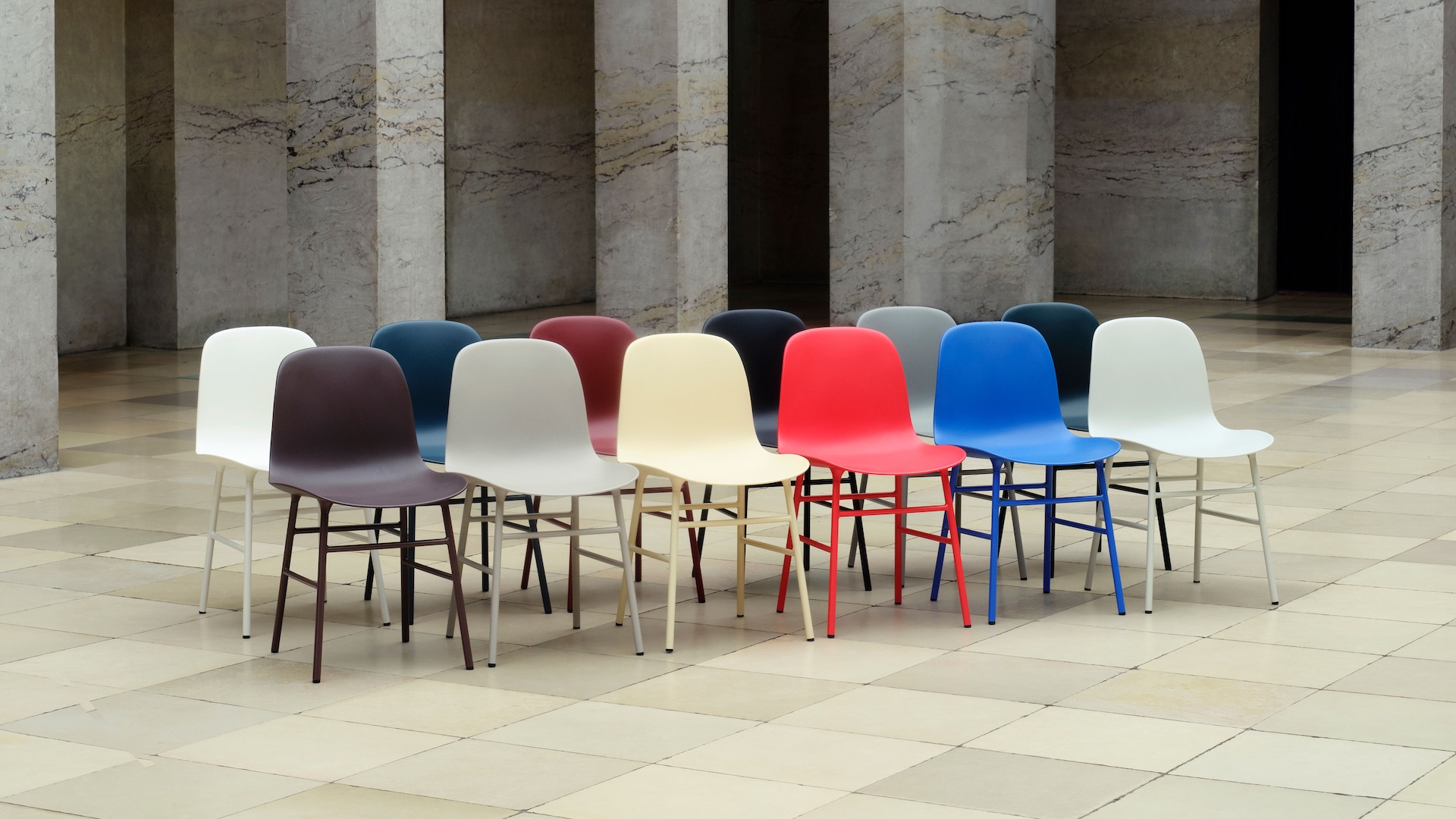
Since Normann Copenhagen’s foundation in 1999, the brand's ambition has been to challenge conventional thinking and make the ordinary extraordinary through great design. By combining the craftsmanship, functionality and endurance characterised by its Danish design heritage with modern silhouettes and durable materials, Normann Copenhagen aims to create original products in a contemporary design that withstand the test of time. Normann Copenhagen believes in uniting people and spaces across the world and improving the quality of people’s lives through the power of great design. The brand's products combine functionality and design and accommodate the diversity of needs of modern life in residential and professional interiors alike.

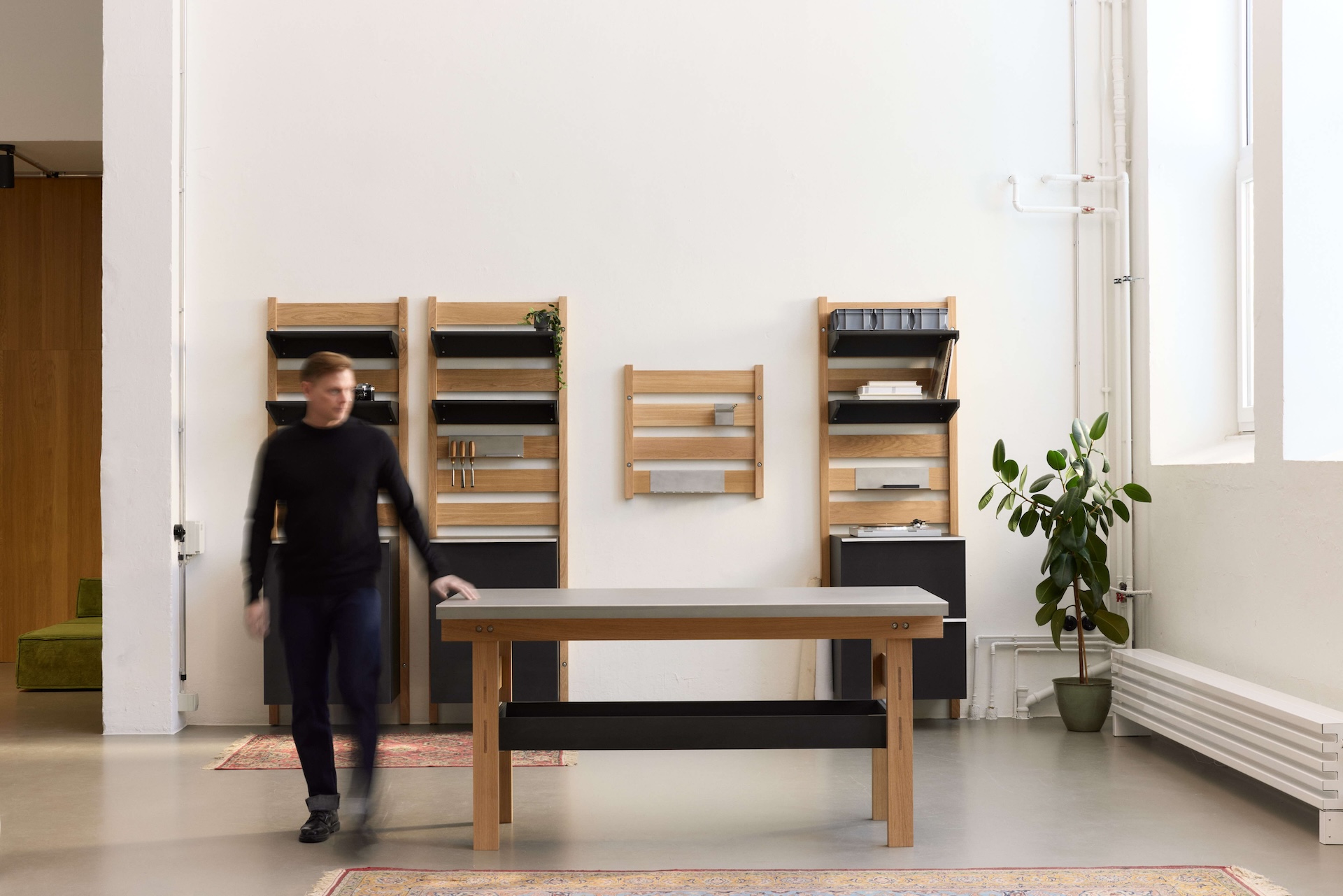
Grids shape everyday life—whether noticed or not. From city streets and domestic architecture to the digital feeds encountered daily, life unfolds within structured systems. At 3daysofdesign, Normann Copenhagen explores these structures through a multi–floor exhibition inspired by the grid as a spatial language. Across several levels, installations interpret the grid in both tangible and abstract ways. It appears as a graphic framework, shaping the spatial design through repetition, patterns and formations, where furniture becomes the element that gives meaning to space—providing a framework for the actions that fill everyday life.
Related Exhibitions
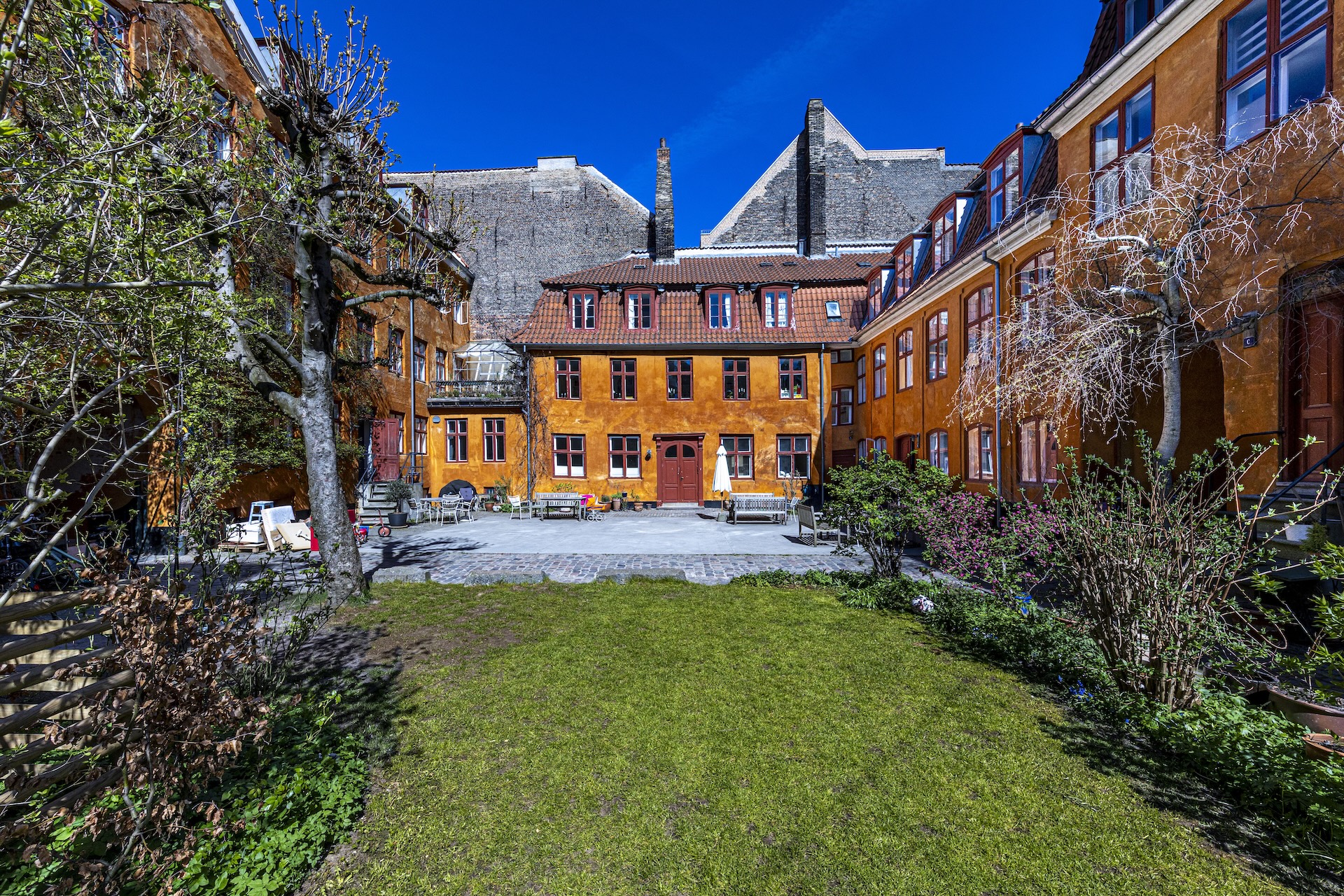
The Residence is a curated design exhibition taking place during 3daysofdesign in a magnificent apartment in the heart of Copenhagen. The Residence presents an exclusive selection of international brands within a living, atmospheric setting, where spaces are composed as a blend of real–life habitation and art installation. The focus is on context, atmosphere, and meaningful encounters between design, art, and people.
The Residence
January 29, 2026
Furniture
Materials
Lighting
Accessories
Part of 2026
Openhouse Studio leads creative projects and bears brands' messages in a comprehensive and unique way. The studio offers an array of opportunities that can be customised to every brand–specific needs through developing events and building individual brand identities using creative direction, photography, videography, graphic design, and copywriting, among others. 
The studio emerged from Openhouse Magazine, a biannual publication that talks about art, design, architecture, and culture, which also serves as a platform to engage with an international professional audience.
OPENHOUSE
February 1, 2024
Furniture
Part of 2024
Part of 2025
Part of 2026
Accessories
FREITAG makes bags and accessories from used and, increasingly, circular materials. What began in Zurich in 1993 with messenger bags made from discarded truck tarps now comprises around 60 models, every product a one–off. FREITAG products are robust, functional everyday companions that, thanks to a range of repair and exchange services, can expect an even longer, more fulfilling life. The headquarter is in Zurich, where a large part of the truck tarpaulins are disassembled, washed, and cut to size. The company also runs 30 FREITAG Stores worldwide, a Zurich–based Online Store, and its products are available at over 220 retail partners globally.
FREITAG
April 8, 2026
Part of 2026
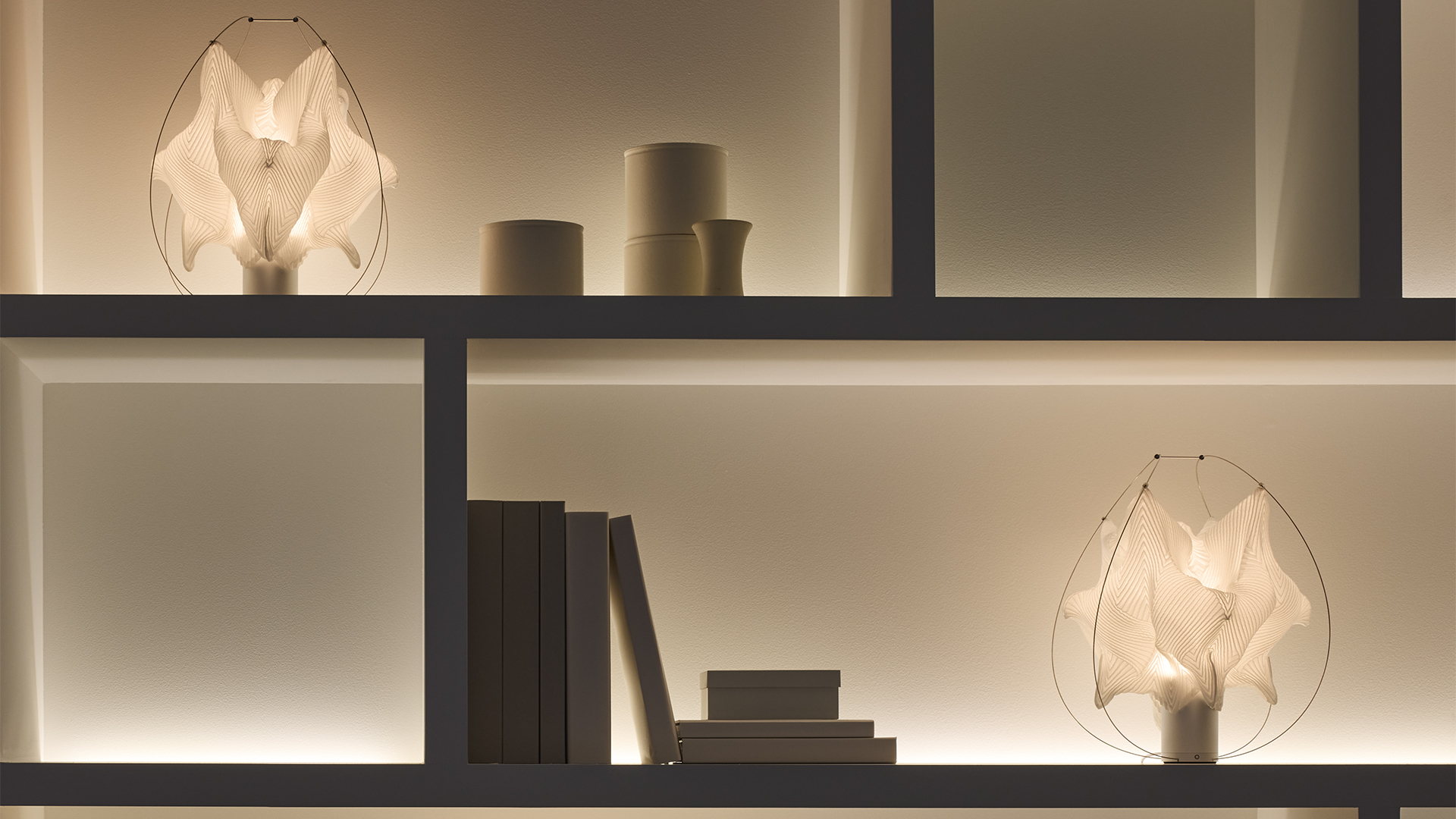
MANO design studio is a Seoul–based studio founded in 2016 by Bo Ah Kim. With a background in interior design in Korea and further studies in Product Design in Milan, Kim develops work at the intersection of traditional Korean craft and contemporary design. Her practice focuses on lighting and objects made from Hanji—traditional Korean paper hand–pressed from mulberry bark. Each piece is made by hand: cutting, folding, and stitching to draw out the quiet dialogue between light and material. At the heart of her work is the act of stitching itself. Each stitch is not decorative, but a record—of time, attention, and the steady rhythm of the hand. The work holds what cannot be seen: the duration and care inscribed into every mark.
MANO design studio
January 28, 2026
Lighting
Part of 2026
Other Exhibitions
Swedish School of Textiles' programme is a global leader in reimagining textiles, pushing the boundaries of creativity and innovation. Here, students are empowered to explore the expanded field of textile design through cutting–edge areas like Textile Craft, New Materiality, Innovation, and Digital Specialisms. Its department equips students with the skills and vision needed to thrive in the textile industry and beyond, fostering bold designs that blend art, technology, and sustainability.
Swedish School of Textiles
May 18, 2025
We Do Wood was founded in Copenhagen in 2011, based on the vision that new Danish design and strict sustainability principles should be closely intertwined. While not aiming to revolutionise the industry, We Do Wood seeks to contribute to a new era of reliability. Their primary goal is to produce high–quality furniture that embodies both functional and expressive honesty. We Do Wood is committed to consistently pursue superior alternatives and strongly believes in collective responsibility towards future generations. Dedicated to making a positive impact on our planet.
We Do Wood
January 11, 2024
Slow Extraction / Dimora Circolare / Wasted / La Mesure. Marco Evaristti is an artist and architect trained in the studio of Professor Henning Larsen. His work operates between art, architecture, and design, examining responsibility and the systems shaping contemporary life. During 3daysofdesign, he presents Slow Extraction at the Odd Fellow Palace. The installation treats furniture as spatial structure—circular forms and cubes creating rhythm and small–scale architecture. Crafted in FSC–certified wood and plant–based textiles, materials remain visible. La Mesure extends the project, focusing on the body as measure and proposing furniture as lived architecture.
Evaristti Studio
February 2, 2026
Portugal’s participation at 3daysofdesign under the Made in Portugal Naturally brand—presents Momentum, a curatorial concept exploring the dialogue between craftsmanship, cultural memory and contemporary design. Shaped by a deep connection to the Atlantic and the influence of the oceans, it reflects a culture rooted in tradition, innovation and material awareness. Through cork, textiles, wood, ceramics and metal, Portuguese design expresses continuity and transformation. Momentum highlights the ability to turn heritage into contemporary objects, positioning Portugal as a design ecosystem where craftsmanship, industry and innovation evolve together.
AICEP Portugal
December 11, 2025
×
Normann Copenhagen
Check back soon!