The Weight of Things
At Thorvaldsens Museum, Birgitte Due Madsen explores a quieter form of desire.
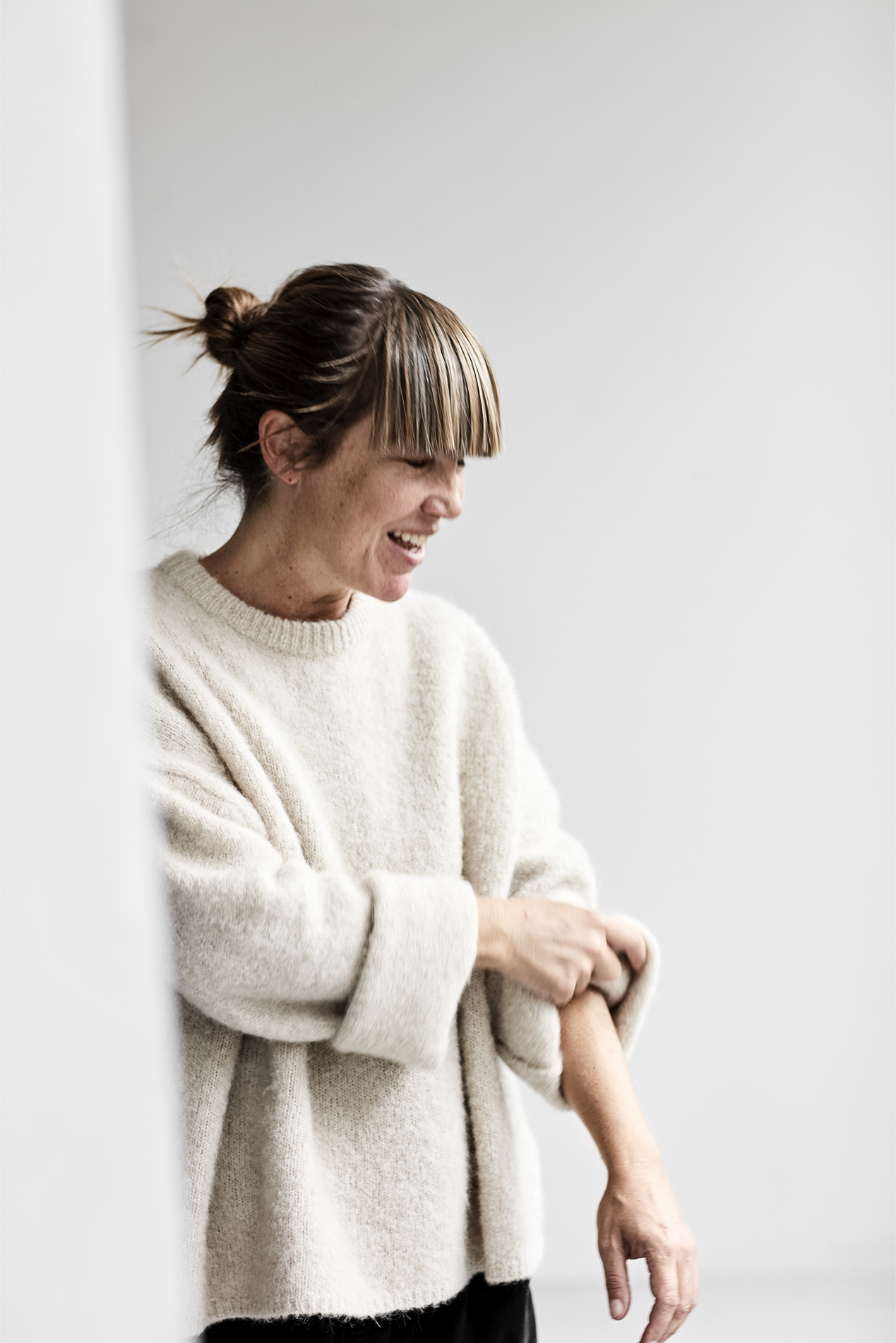
Situated somewhere between art and design, the work of Birgitte Due Madsen is defined less by statement than by presence: an attention to material, proportion and time that unfolds gradually. Working across furniture, objects and sculptural form, she approaches making as a slow and deliberate process, where value is measured not through novelty, but through tactility and emotional attachment. She has put all of this experience into curating 'Objects of Desire' at Thorvaldsens Museum, an exhibition initiated by 3daysofdesign itself, bringing together 20 international and Danish designers, including the likes of Francesca Torzo and Rahee Yoon. The result feels less like an intervention than a continuation: an exploration of how objects can quietly hold meaning over time.
What kind of desire are you interested in exploring through the curated objects?
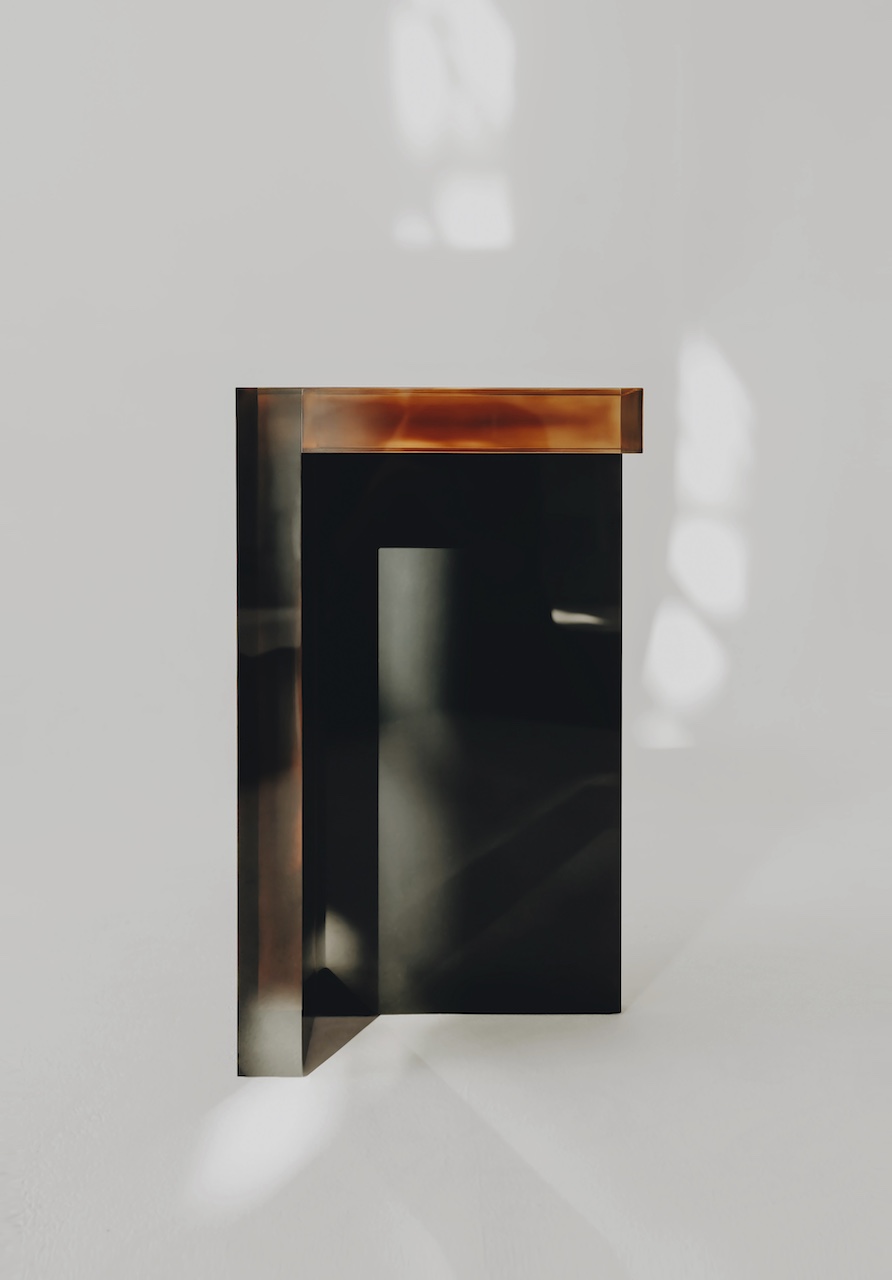
A quieter, more enduring form of desire; one rooted in material presence, tactility and emotional connection. Not desire driven by novelty or consumption, but by a lasting attraction to objects that hold depth, integrity and beauty over time. For me, the starting point is always the material. Sustainability is not only about systems or production, but about aesthetics – about creating objects of such beauty and craftsmanship that you never feel the need to replace them. When you become emotionally attached to something, you care for it, you repair it, and it stays with you. Natural materials support that process; they age, they change and often become more beautiful over time. It’s a slower way of working, and more demanding. But it's also how you build a lasting relationship with things. Your own work often exists somewhere between art and design. How do you think about
function: Is it essential or secondary?
Function is always present from the outset, but I understand it in a broader sense. It's not only about use or problem-solving, but about how an object is experienced – through material, proportion and touch. Rather than separating function from form, I see them as interdependent. The tactile qualities, the aesthetic decisions, the material logic – they all shape how an object functions. In that sense, function becomes experiential and emotional, not just practical.
How did the museum's historical setting shape the exhibition?
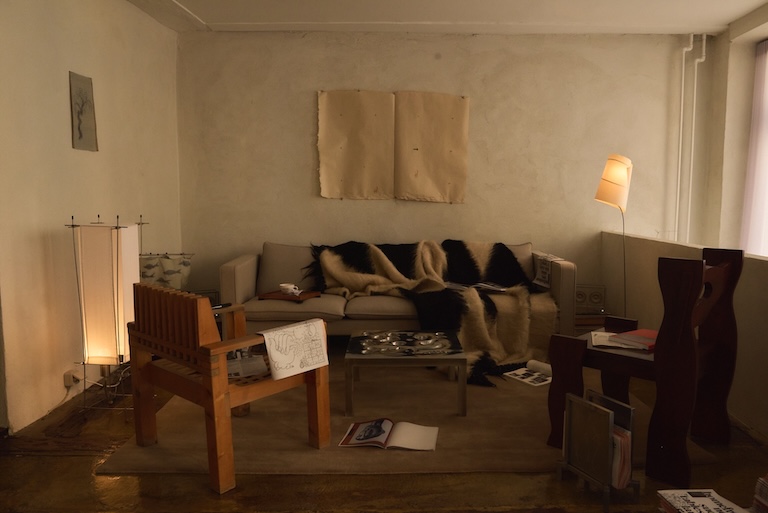
The museum carries a strong sense of permanence and history. It's not something you can, or should, compete with. Instead, the exhibition is conceived as a response to that context. The designers' works are placed in dialogue with the architecture, particularly the colour palette and the atmosphere of the space. It becomes less about contrast and more about integration – allowing the objects to sit within a broader historical narrative. That requires sensitivity, but also creates a certain depth.
What makes an object linger? What gives it emotional weight beyond its form?
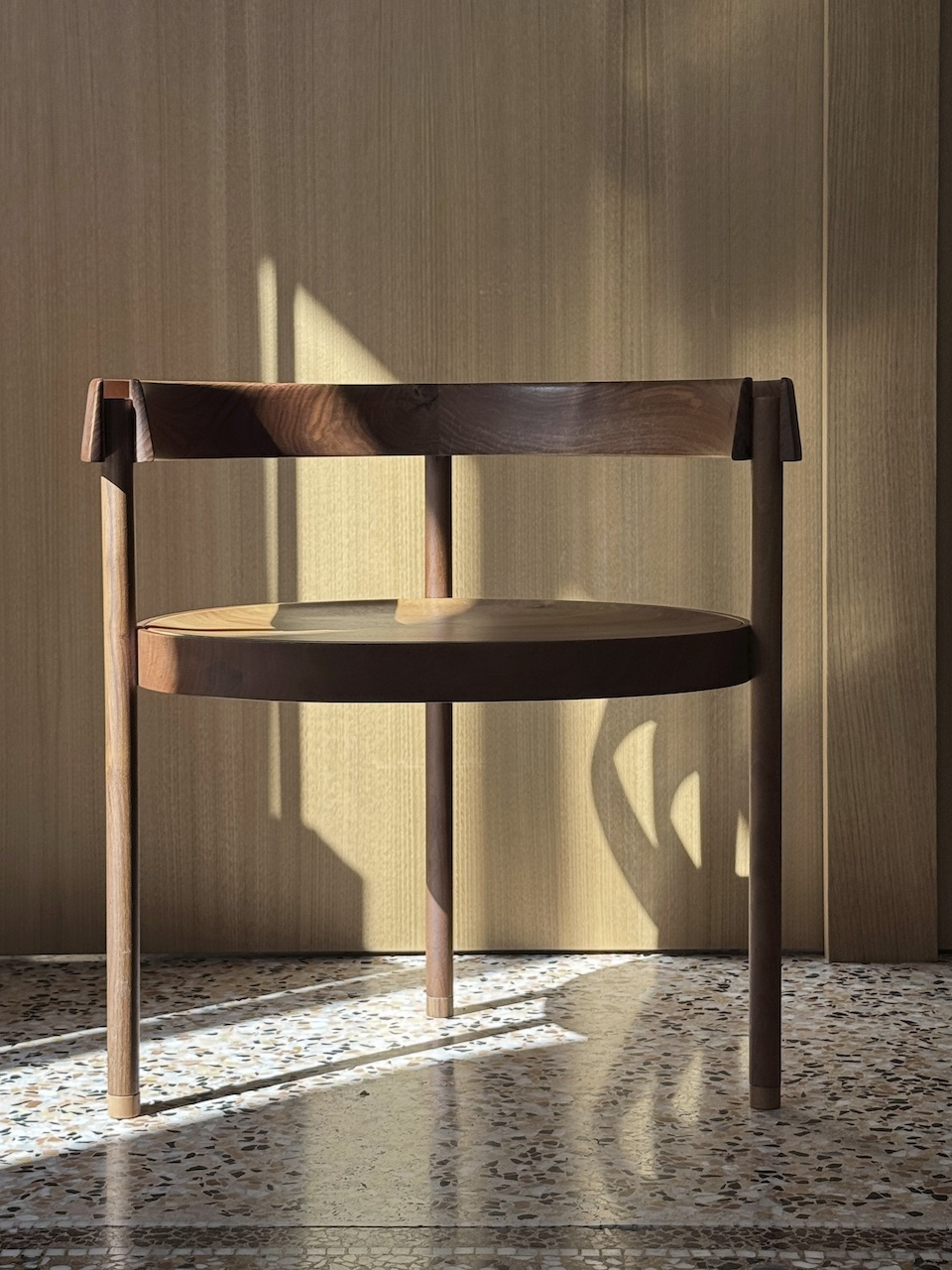
It's a balance of material honesty, precision and time. Objects made with care have a certain presence – you can sense it in how they hold themselves in space. They don't demand attention, but they stay with you. That comes from proportion, tactility and a kind of quiet authority. It's not about impact, but about something that unfolds gradually and continues to resonate.
In a time of overproduction, what justifies making something new?
Only if it adds something meaningful. For me, that means making fewer objects, but with greater depth – objects that are made to last, both physically and emotionally. If an object carries that kind of intention, it can justify its existence. If not, there's little reason to add more.
In a time of overproduction, what justifies making something new?
Only if it adds something meaningful. For me, that means making fewer objects, but with greater depth – objects that are made to last, both physically and emotionally. If an object carries that kind of intention, it can justify its existence. If not, there's little reason to add more.
At 3daysofdesign, our commitment extends beyond showcasing the latest trends in interior design and furniture. We strive to facilitate meaningful discussions, debate, and actively contribute to pushing forward a more sustainable approach within the realm of interior design and furniture business. Join us in our mission to inspire positive change and promote a greener, more responsible future for the industry.
.jpg)

.00_00_04_23.Still001%20copy.jpg)