

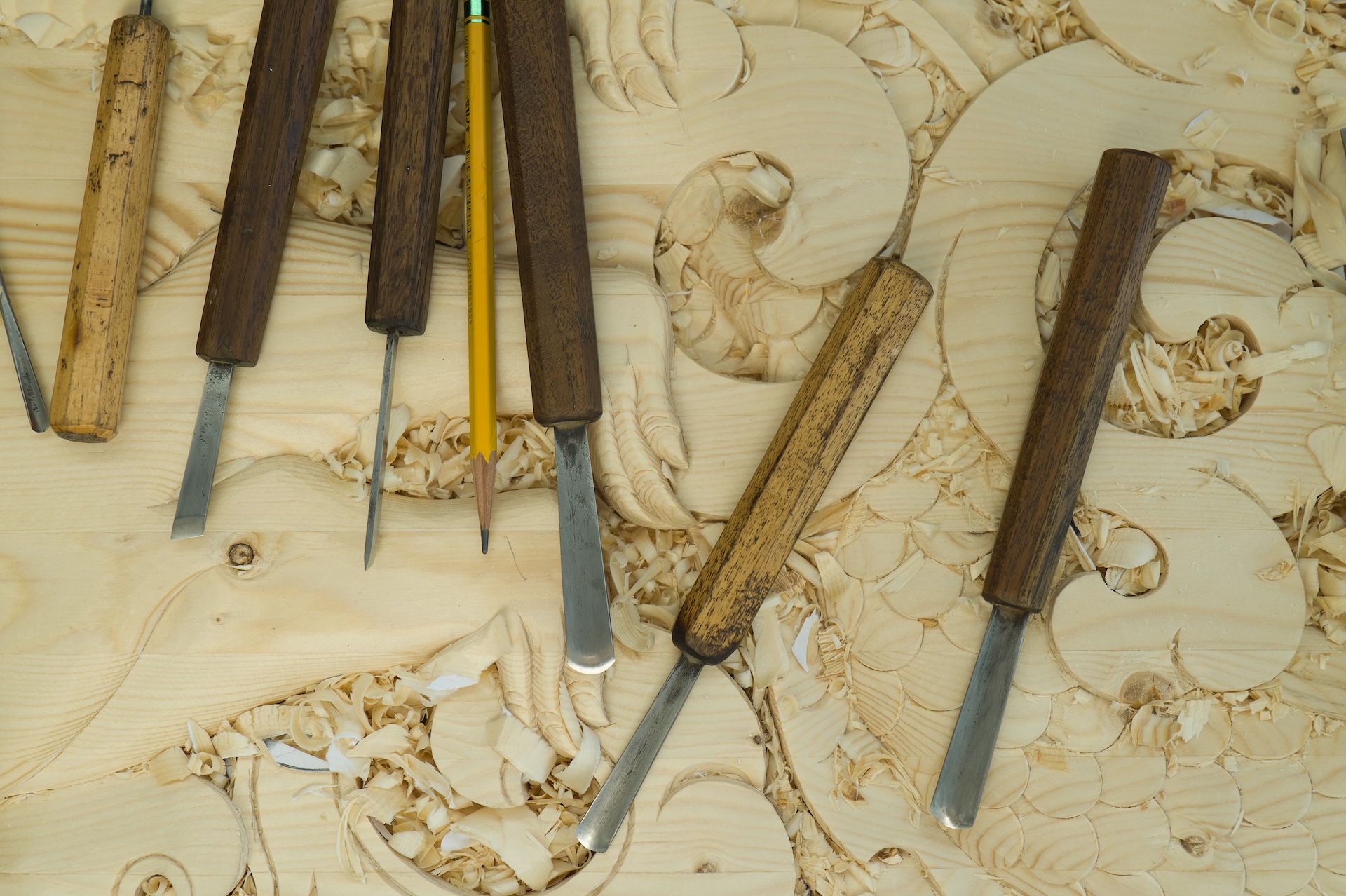
Objects With Meaning
How space, rituals and objects can strengthen our sense of presence and connection to ourselves.
In a world continuously moving at a rapid pace, being present is vital for feeling grounded and connected. But presence is more than a mindset. It’s shaped by both the tangible and intangible aspects of our surroundings — by sound, atmosphere, materiality, and the everyday objects we choose to live with.
To finetune our own understanding of presence, we spoke to Nette Børkdal Ebbesen, a lecturer in architecture, art and sensory culture, boasting Master Degrees in Arts and Science. She argues that presence is deeply connected to how we inhabit the world through our senses. Drawing on Japanese cultural traditions and contemporary social theory, Ebbesen asserts that presence is not only a state of mind but also a matter of space and materiality.
“People with a contemporary Western lifestyle may live alienated from the analogue world in many ways — an alienation linked to the high–speed demands that at times permeate every aspect of life. When we are deprived of the domains in which we can experience life through our senses, we may feel disconnected from the world.” As a result, this can often lead to a feeling that life lacks purpose.
In her view, the crisis of presence is not just personal — it is also cultural and environmental. Where constant digital stimulation and a perpetual obsession with being online have diminished our ability to resonate with the world around us.
How can design support presence?
According to Ebbesen, design plays a crucial role in both what we can see and what we can sense. Where the invisible aspects of spaces — such as sound and atmosphere — are elements often underestimated.
“We immediately react to our surroundings with either relaxation or stress,” she says. “If a space feels safe, our attention has the surplus needed to be truly present and open to the moment. But if a room or an object feels unwelcoming — for instance through an irritating sound — our attention becomes negatively charged, much like when we encounter a person with a cold attitude.” This suggests that presence is fundamentally about feeling welcome in our environment.
Referencing Japanese culture as a vital source of inspiration, Ebbesen adds that “In Japan, sensory elements such as sound, emptiness, nature and form have long been used to cultivate presence,” she notes. “This empirical understanding of how space and objects affect us is highly relevant for contemporary design.” Much like the healing gardens of modern hospitals as spaces deliberately designed to promote emotional wellbeing.
Rituals as anchors
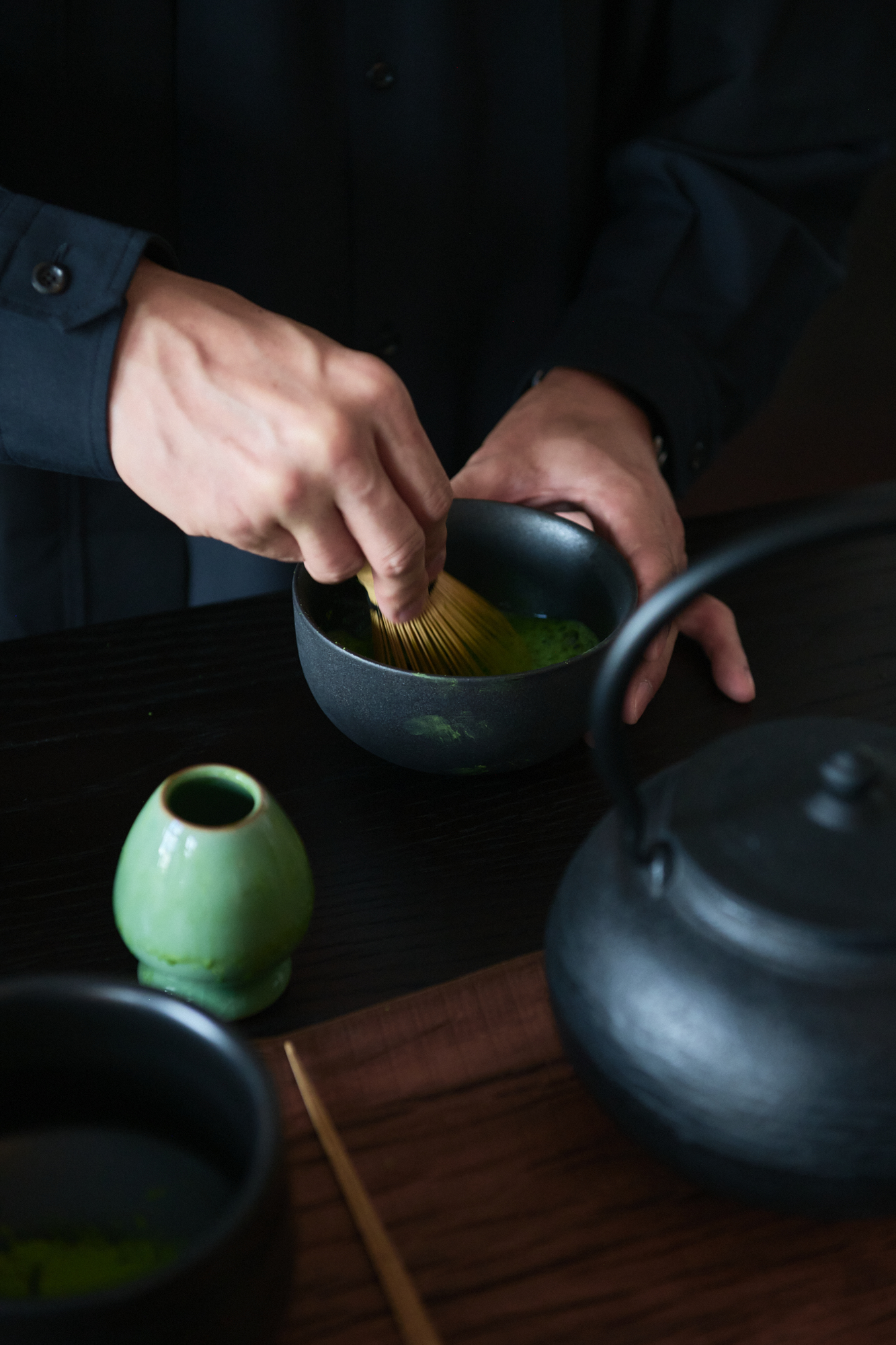
Other pathways to presence can be found in rituals. “Rituals are a way of distinguishing and prioritising an action,” claims Ebbesen. “If life feels like a high–speed train without stops, a ritual can become a pause that forces us to register the moment and attune our senses to our surroundings.”
As such, rituals are strategies for becoming more present. To help us slow down and feel more grounded, Ebbesen suggests small everyday rituals, such as making tea, setting a table, arranging objects, or tending a garden, as anchors in an otherwise accelerating lifestyle.
Objects with meaning
As Ebbesen sees it, objects can communicate far more than their practical purpose. “An object’s expression shapes the associations it automatically conveys to us. Its form, texture, sound, and even how it ages over time, contribute to how we feel when using it.” Here she recalls a telling quote: “You should choose your everyday objects according to the same criteria as you would choose your best friend.”
What should be the focus of design to foster a feeling of presence? Ebbesen's answer is simple yet profound: “We should surround ourselves with everyday objects that speak to us — not only through their functionality, but also through added values such as dignity, poetry, and beauty. Objects which, by their very presence, don't leave an emptiness that needs to be filled by buying more things.”
In other words, thoughtful design doesn't invite more consumption. It invites deeper connection. And perhaps that's the true meaning of being present. A sentiment aligned with Signe Byrdal Terenziani, the CEO and Managing Director of 3daysofdesign, and the 2026 festival theme Make This Moment Matter: “Happiness isn't about having all the things we want — it's about wanting all the things we have.”
At 3daysofdesign, our commitment extends beyond showcasing the latest trends in interior design and furniture. We strive to facilitate meaningful discussions, debate, and actively contribute to pushing forward a more sustainable approach within the realm of interior design and furniture business. Join us in our mission to inspire positive change and promote a greener, more responsible future for the industry.

.00_00_04_23.Still001%20copy.jpg)