

When Waste Isn't A Waste
Reimagining waste as a resource
Until recently, waste has often been framed as a failure. A by–product of our overconsumption to be hidden, hauled off, and something to delay dealing with indefinitely.
And yet, according to the UN, more than two billion tonnes of municipal solid waste is generated every year. Just think about it: “If packed into standard shipping containers and placed end–to–end, this waste would wrap around the Earth’s equator 25 times, or further than traveling to the moon and back,” as stated in the UN's Global report Beyond an Age of Waste.
The largest share of this huge volume ends up in landfills or on open dump sites, putting enormous pressure on wildlife and the environment. Still, for many in the furniture industry, sustainability has typically involved damage control not prevention, and not a radical rethink of the system itself.
Fortunately, a growing group of bold designers and producers are actually trashing how we treat trash. They don’t see waste as an eyesore to eliminate. They see it as a resource — a material with history, inherent worth, and untapped design potential. It’s a pivot in perspective that rewrites the rules of the game.
Giving Waste A Second Life
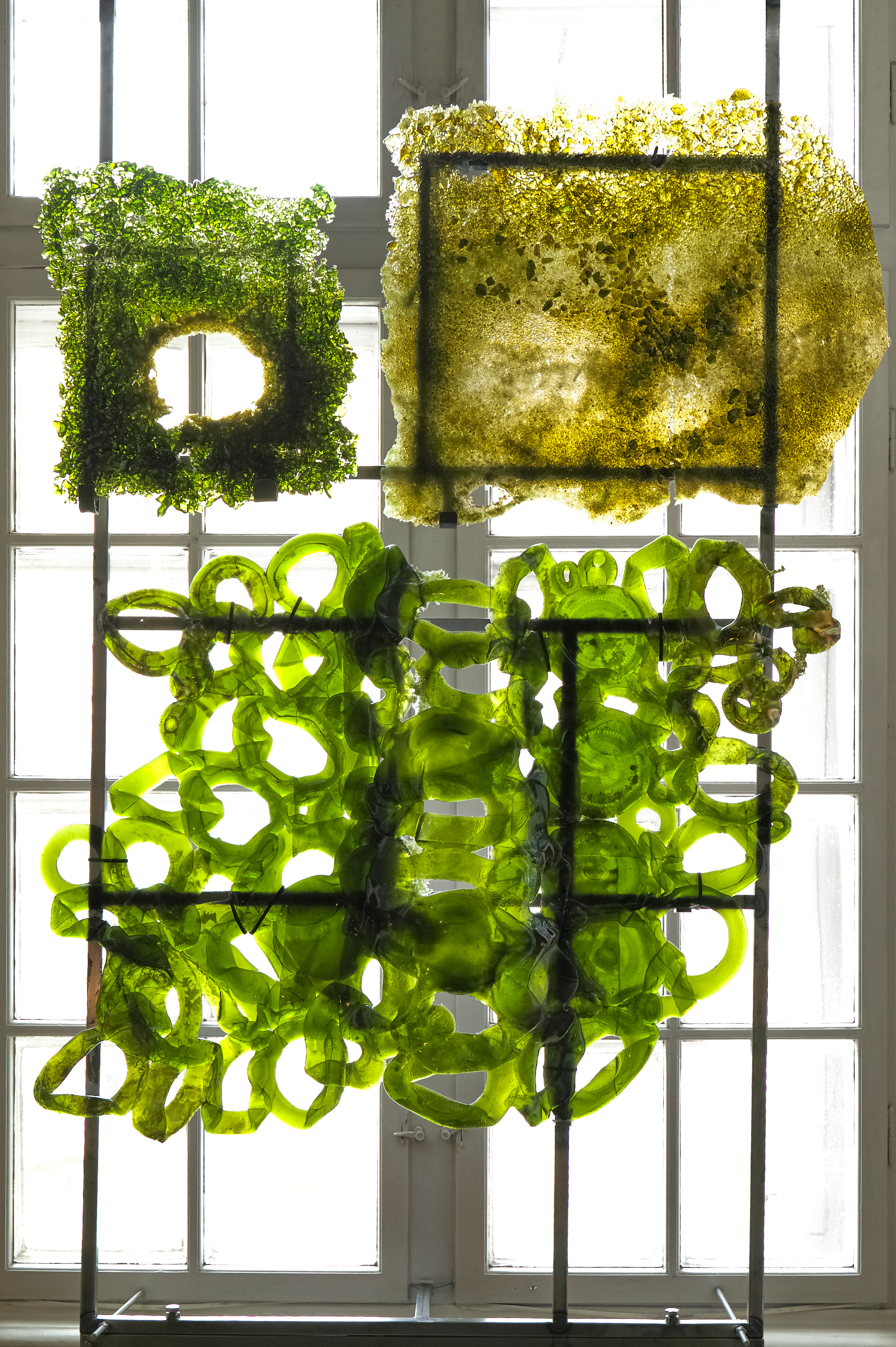
Instead of asking how to dispose of discarded plastic, broken furniture, or industrial debris, these designers ask a different question: How can I give this a second life? The answers are truly eye–opening.
The types of waste designers are exploring range from the everyday to the unexpected. From materials that embrace traces of their previous life, such as wood salvaged from the devastating fires in Los Angeles, to the use of coffee grounds, wine corks, old smartphones, computers, and children’s toys. Discarded fishing nets and other marine waste. Biodegrade materials, like mycelium–grown composites made from mushrooms. As well as surplus from glass, textiles and sneakers. Surprising materials crafted into novel designs that, for the most part, can be recycled and reimagined again and again.
Designs made of waste aren’t disguised to look new. They highlight their recycled roots — honouring the imperfections, the raw flaws in textures, and the inconsistent colours that come with recycled materials. Waste is acknowledged. Unapologetic. Its history becomes an appealing part of the object’s identity, and a story worth telling.
This approach strikes at the core of our throwaway culture. By crafting furniture made from waste for endless cycles of reuse, it defies fleeting trends and engineered obsolescence. Instead, these are objects built to endure and evolve, to be repaired, and eventually, to loop back into the resource stream.
Here, sustainability is no longer an afterthought, it’s the starting point of the design process, and intrinsic to the ethos driving every design decision. If we can change the climate of the world by accident, imagine what we can achieve by trying.
Treating trash as a resource doesn’t just reduce landfills. It reframes our relationship with consumption. Urging us to recognise that the materials we throw away still hold incredible potential. It also redefines good design. Finding new value in what’s old, dismissed and discarded. Creating with ingenuity, intelligence and responsibility. In this new paradigm, the most forward–thinking designers right now doesn’t ignore waste. They embrace it.
At 3daysofdesign, we are extremely proud that every member of our community is actively committed to sustainability. In fact, it’s a prerequisite to be eligible to exhibit at our festival.
There are countless cases where waste is used as a resource that we’d love to share with you. You’re welcome to peruse our 3daysofdesign Exhibitions to discover their own angle on why waste isn’t a waste.
At 3daysofdesign, our commitment extends beyond showcasing the latest trends in interior design and furniture. We strive to facilitate meaningful discussions, debate, and actively contribute to pushing forward a more sustainable approach within the realm of interior design and furniture business. Join us in our mission to inspire positive change and promote a greener, more responsible future for the industry.