Royal Danish Academy

Royal Danish Academy
Cover image missing

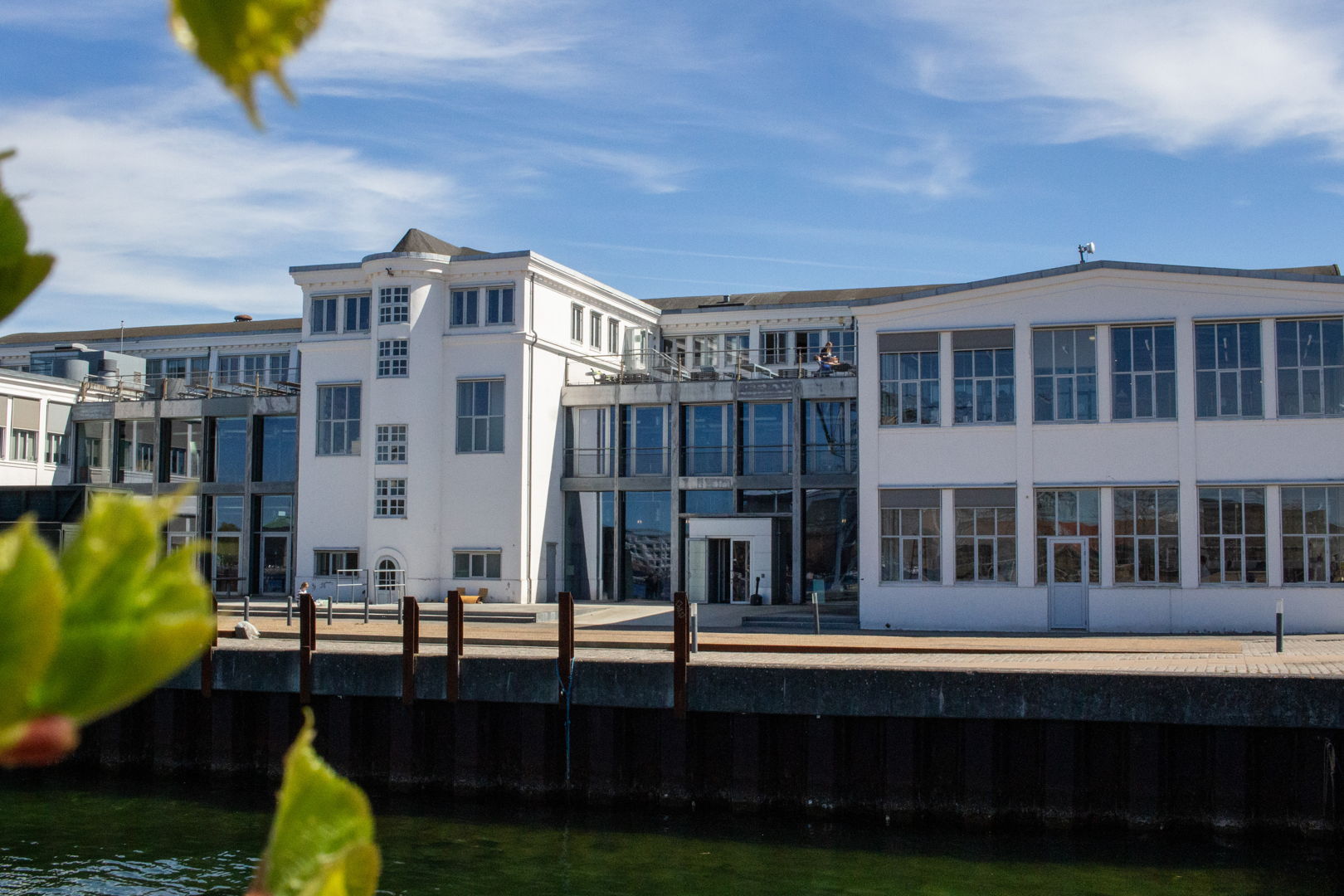
The Royal Danish Academy—Architecture, Design, Conservation strives to be an active, creative and leading actor in society by contributing to tackling the major national and global challenges of our time. The Royal Danish Academy is a research and educational institution that is drawing on a historical foundation within the fields of architecture, design and conservation. Based on a solid tradition the Royal Danish Academy constantly develops its subject areas by uniting three fields of knowledge: academic research, artistic research and professional practice, which are three different ways of discovering, inventing and creating.

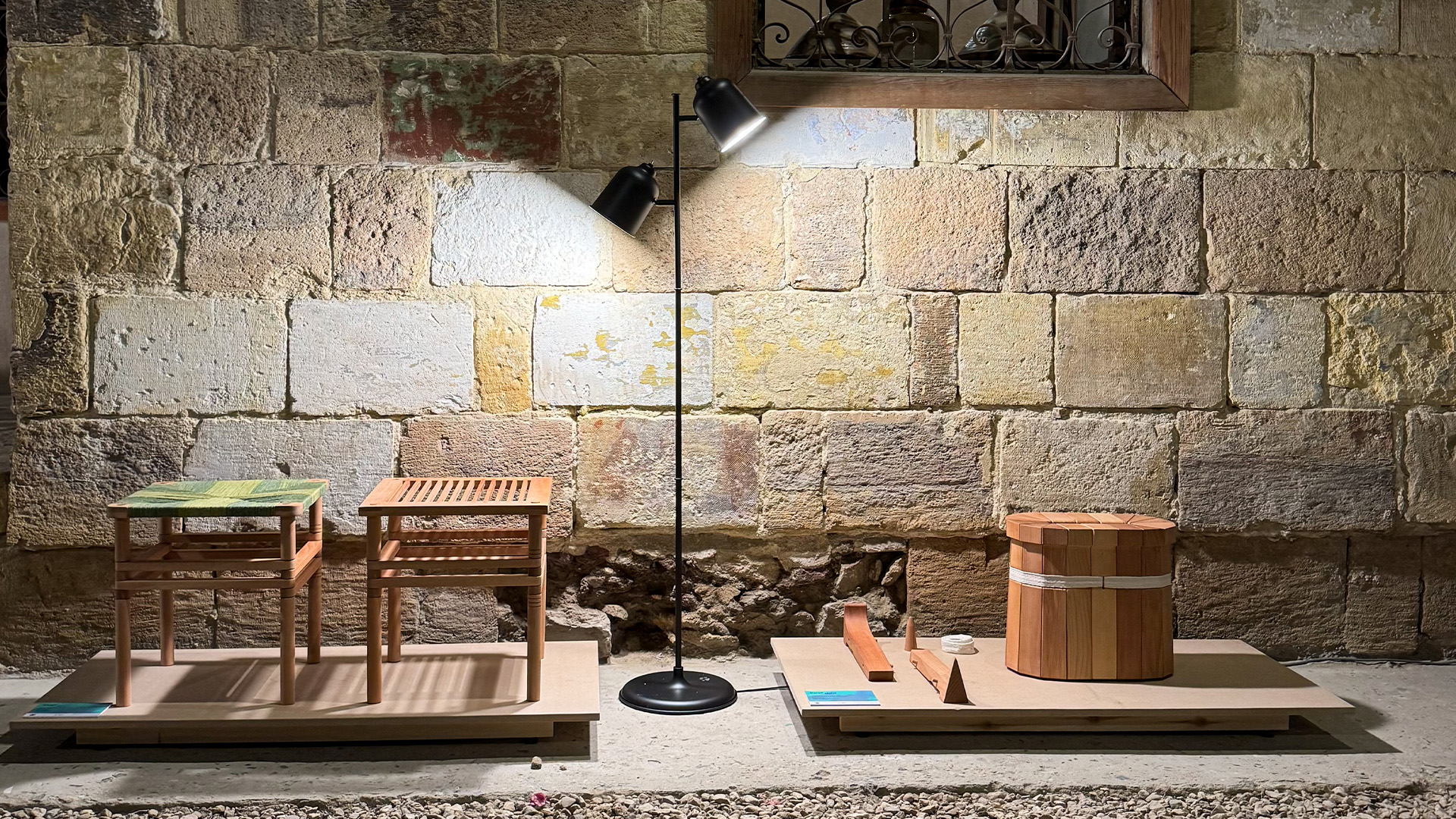
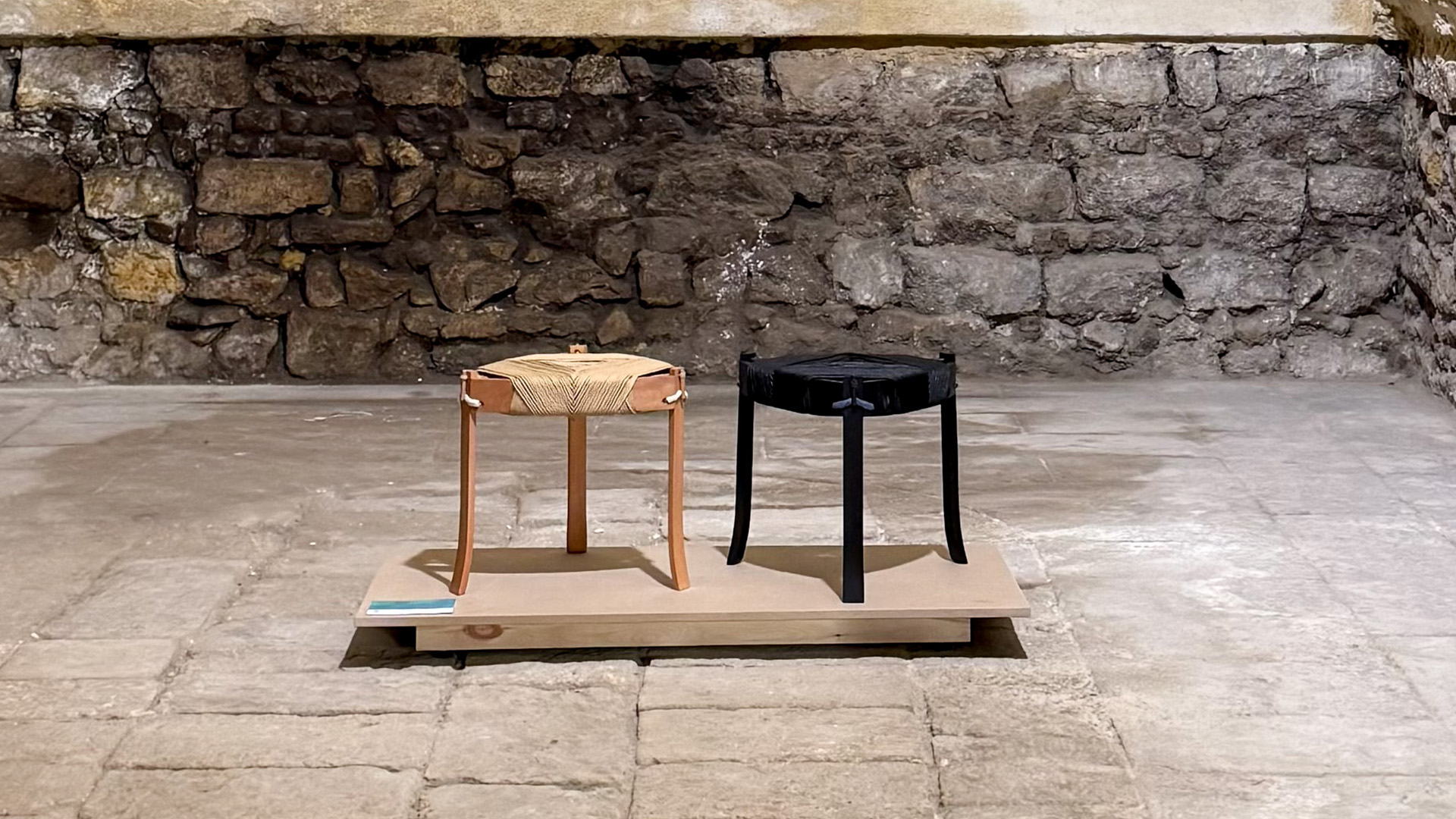
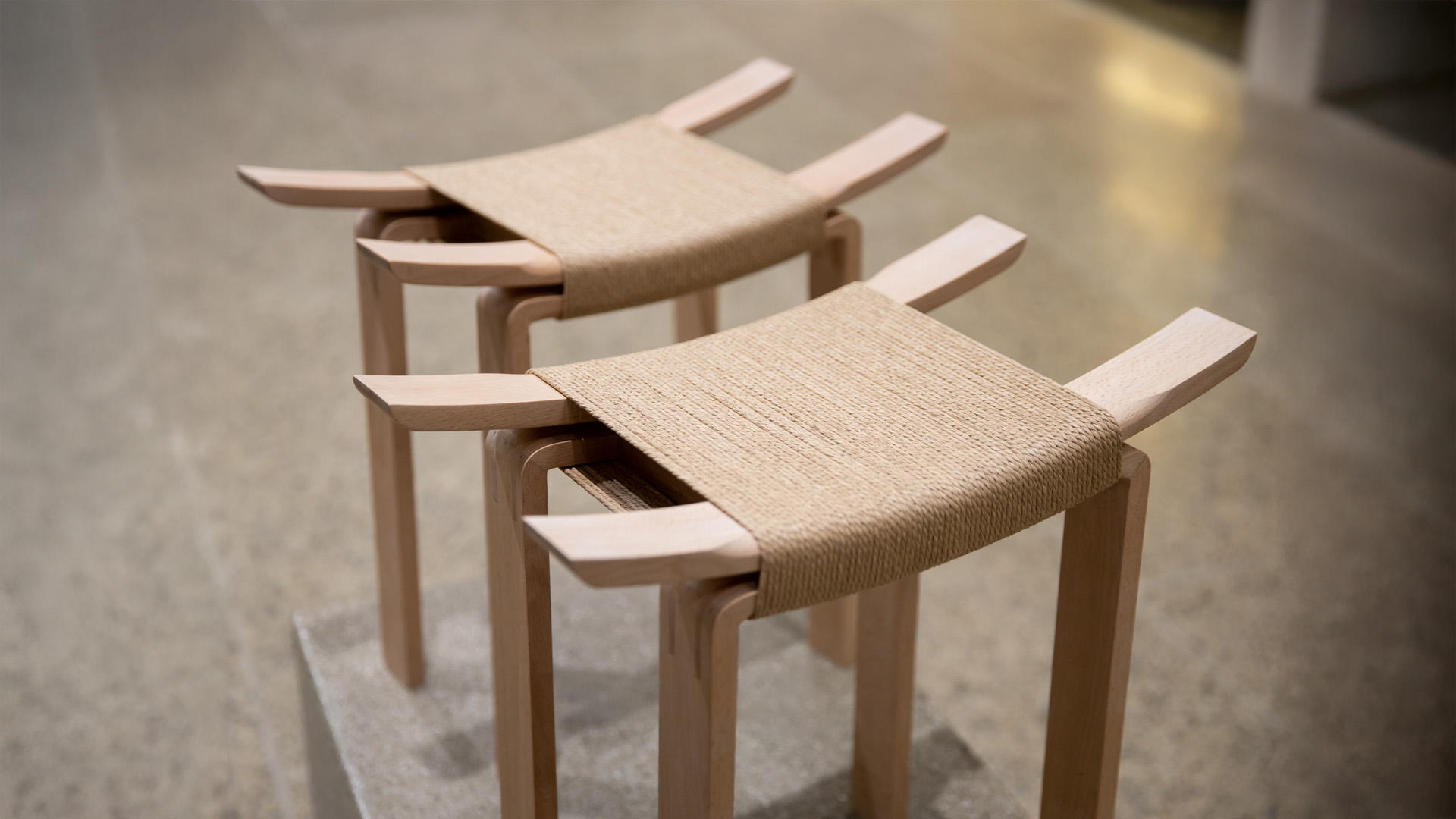
The graduate exhibition 'New Design and Architecture' shows how a new generation of architects and designers deal with specific complex problem areas. Their projects inspire others to opt for a novel approach to accelerating sustainable development and living. The 250 graduate projects emphasise how architecture and design can be important drivers of societal change. Moreover, in an affiliated exhibition, bachelor and master students showcase Egyptian–Danish furniture, a lighting project in collaboration with Le Klint and contemporary glass and ceramic objects. Finally a group of newly established Startups trained at the academy present their innovative business ideas and prototypes with a sustainable agenda.

Related Exhibitions
Nosou is a contemporary Japanese design brand rooted in natural materials and traditional craftsmanship. Guided by the theme 'Time Makes Beauty,' they embrace natural aging in their products, as a form of beauty that deepens over time. Their first collection features lighting crafted from bamboo sourced in Kyoto. Inspired by Wabi–Sabi, each handcrafted piece develops its own character through years of use, becoming a unique object to be cherished. Light is adjusted by moving the fixture itself, offering a tactile and intuitive experience.
Nosou
January 30, 2026
Part of 2026
Otur aims to craft objects that feel as relevant today as they will decades from now. The creations are entirely handmade in Belgium. From the wood base to the linen shade: a local network of craftsmen turns every lamp into a unique piece. No two are the same. Complementary lamps with a distinct personality, each one bringing a sense of calm and serenity into a space.
Otur
February 23, 2026
Part of 2026
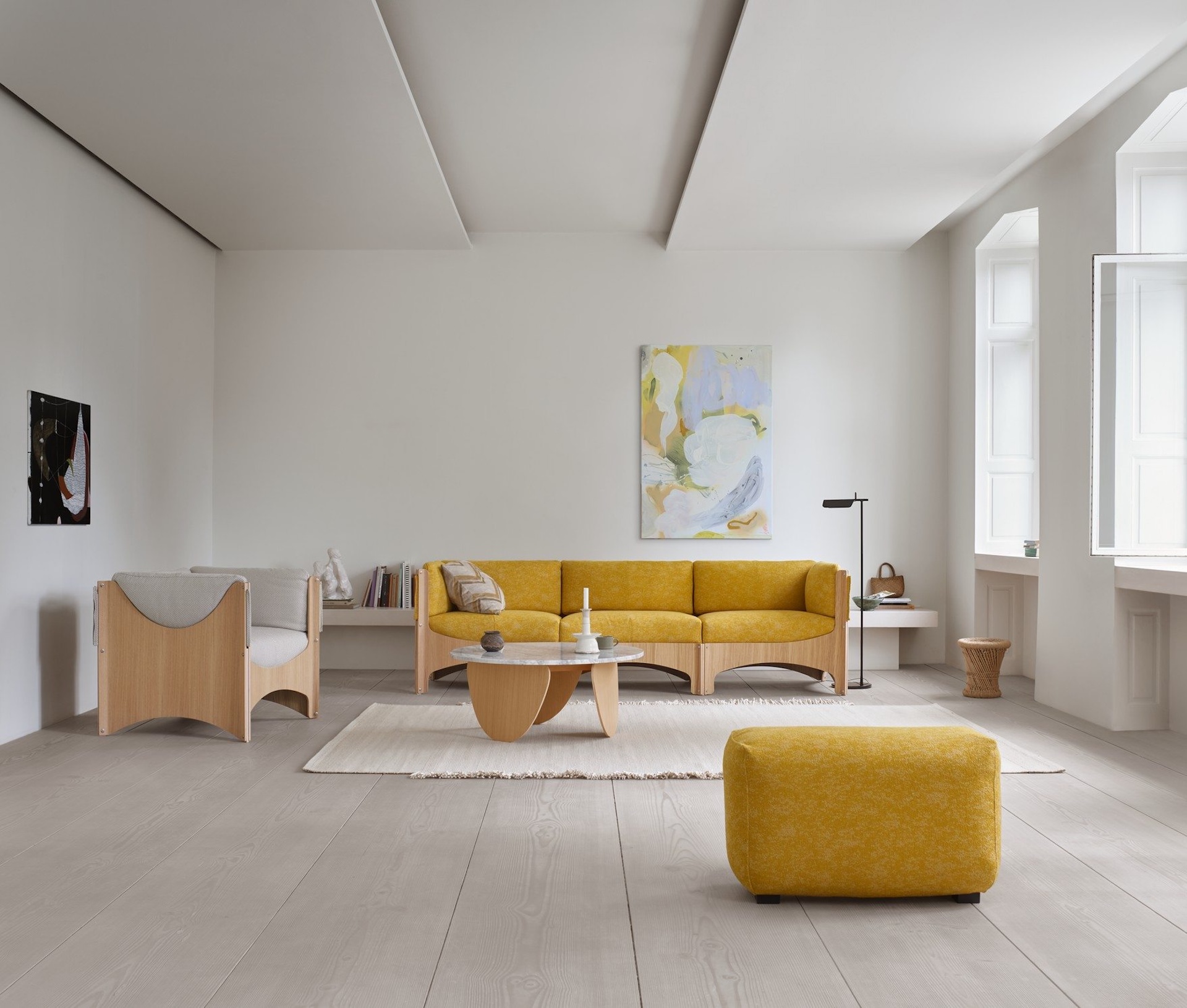
One of the most enduring furniture companies in Italy, Acerbis stands as a connoisseur’s benchmark of Italian design — a pioneer with 150 years of expertise, whose continual search for modernity has produced creations of stunning innovation. Today, that mission continues with fresh vigor. With industry leader MDF Italia acquiring Acerbis to elevate its presence in the international market, and creative directors Francesco Meda and David Lopez Quincoces helming a dynamic path forward, Acerbis affirms its family-led lineage of cutting-edge vision, and its universe of designs that unite function and the avant-garde.
Acerbis
February 3, 2026
Furniture
Part of 2026
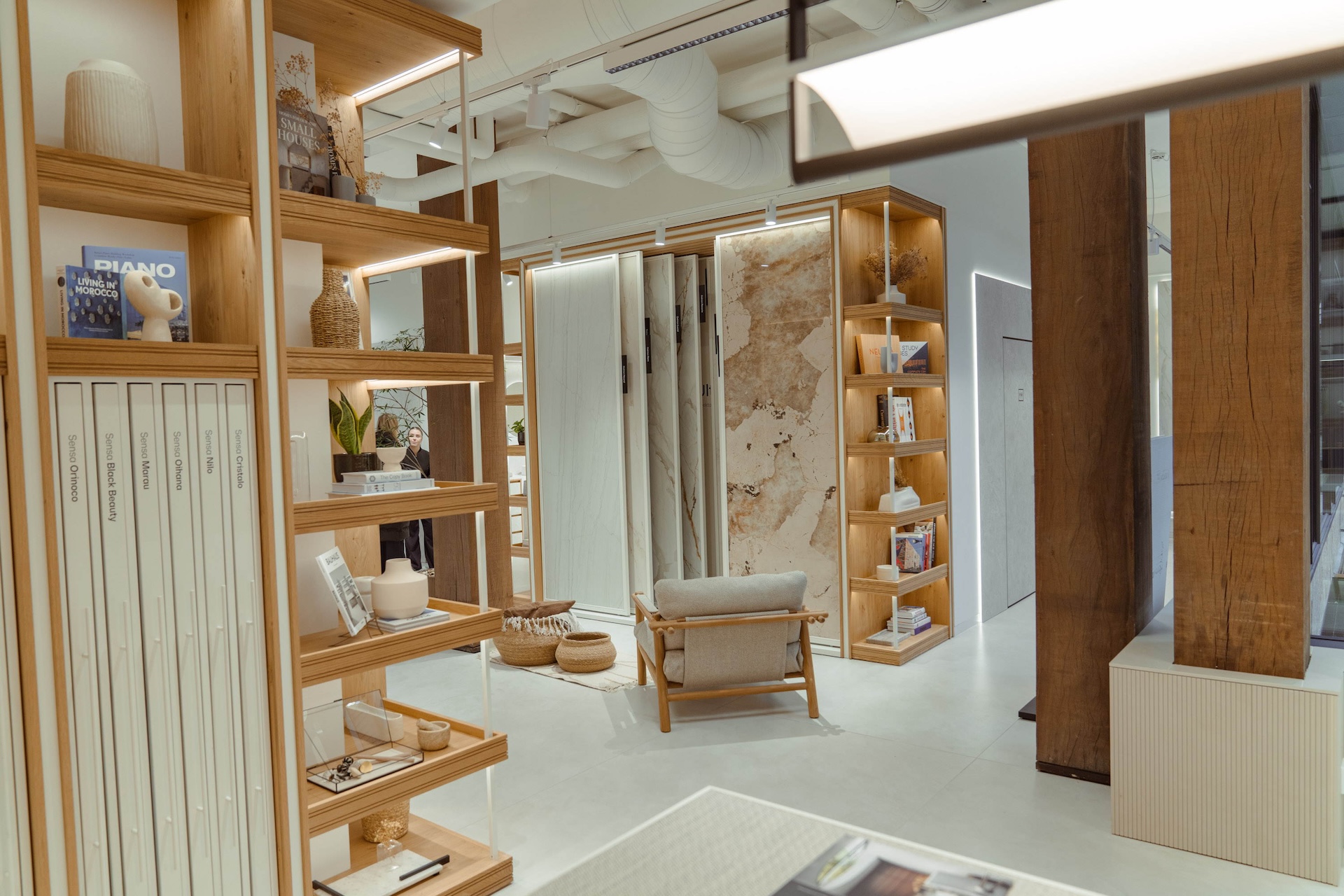
Kurage is a Danish design brand offering bold, recycled fabrics to visionary designers and architects. Since 1990, Kurage has been all about fearless colours, rich textures, and hand–printed fabrics that turn waste into wonder. From statement curtains and eye–catching upholstery to cutting–edge acoustic solutions, including wall panels and desk screens, Kurage doesn’t just fill spaces but reinvents them. Kurage empowers you to choose fabrics with intention, break conventions, and create spaces that are uniquely yours.
Kurage
February 19, 2025
Wall & Surface
Materials
Part of 2025
Part of 2026
Other Exhibitions
Jan Kath Design has revolutionised the world of rugs. For nearly 30 years, the brand has been shaping the international design scene with its work. While the creative language spans a broad spectrum, production remains deliberately rooted in tradition. Each carpet is crafted using centuries–old hand–knotting techniques in selected workshops in Nepal and India, certified for sustainability by the Swiss label STEP. Knot by knot, skilled artisans translate the designs into textile art. Only premium natural materials are used, including hand–combed Tibetan highland wool, fine Chinese silk, and Nepalese nettle. This balanced material composition gives the rugs a distinctive tactile quality and a deep, layered presence beyond the surface.
Jan Kath Design
December 19, 2025
Slow Extraction / Dimora Circolare / Wasted / La Mesure. Marco Evaristti is an artist and architect trained in the studio of Professor Henning Larsen. His work operates between art, architecture, and design, examining responsibility and the systems shaping contemporary life. During 3daysofdesign, he presents Slow Extraction at the Odd Fellow Palace. The installation treats furniture as spatial structure—circular forms and cubes creating rhythm and small–scale architecture. Crafted in FSC–certified wood and plant–based textiles, materials remain visible. La Mesure extends the project, focusing on the body as measure and proposing furniture as lived architecture.
Evaristti Studio
February 2, 2026
Stylescape is a design brand rooted in the idea of quiet, timeless living. Founded to bring calm and grounding qualities into everyday spaces, the brand creates objects that balance soft minimalism, natural materials and refined craftsmanship. Rather than following trends, Stylescape focuses on neutral tones, tactile surfaces and enduring forms that feel both contemporary and lasting. Each piece is developed with intention, where quality, proportion and materiality are carefully considered. By prioritising longevity over excess, Stylescape creates thoughtfully made objects that age gracefully and support a slower, more mindful way of living—where quiet luxury becomes part of everyday life.
Stylescape
January 7, 2026
With a history that spans more than 100 years, the Georg Jensen brand represents quality craftsmanship and timeless aesthetic design, producing lifestyle products ranging from hollowware to watches, jewellery and home products. The philosophy of Georg Jensen himself was to create democratic designs possessing both functionality and beauty. His artisanal skill and artistic talent combined with his continuous ability to identify and support design talent was the foundation on which he built Georg Jensen in Copenhagen in 1904. Our most important task is to leverage the ideas and principles of the master himself and translate these into the design of the present day.
Georg Jensen
January 18, 2022
Joint Events
Royal Danish Academy
has not published any events yet.
In the meantime you can visit them at:
Danneskiold—Samsøes Allé 51, 1436 Copenhagen
×
Royal Danish Academy
Check back soon!