Malai

Malai
Cover image missing

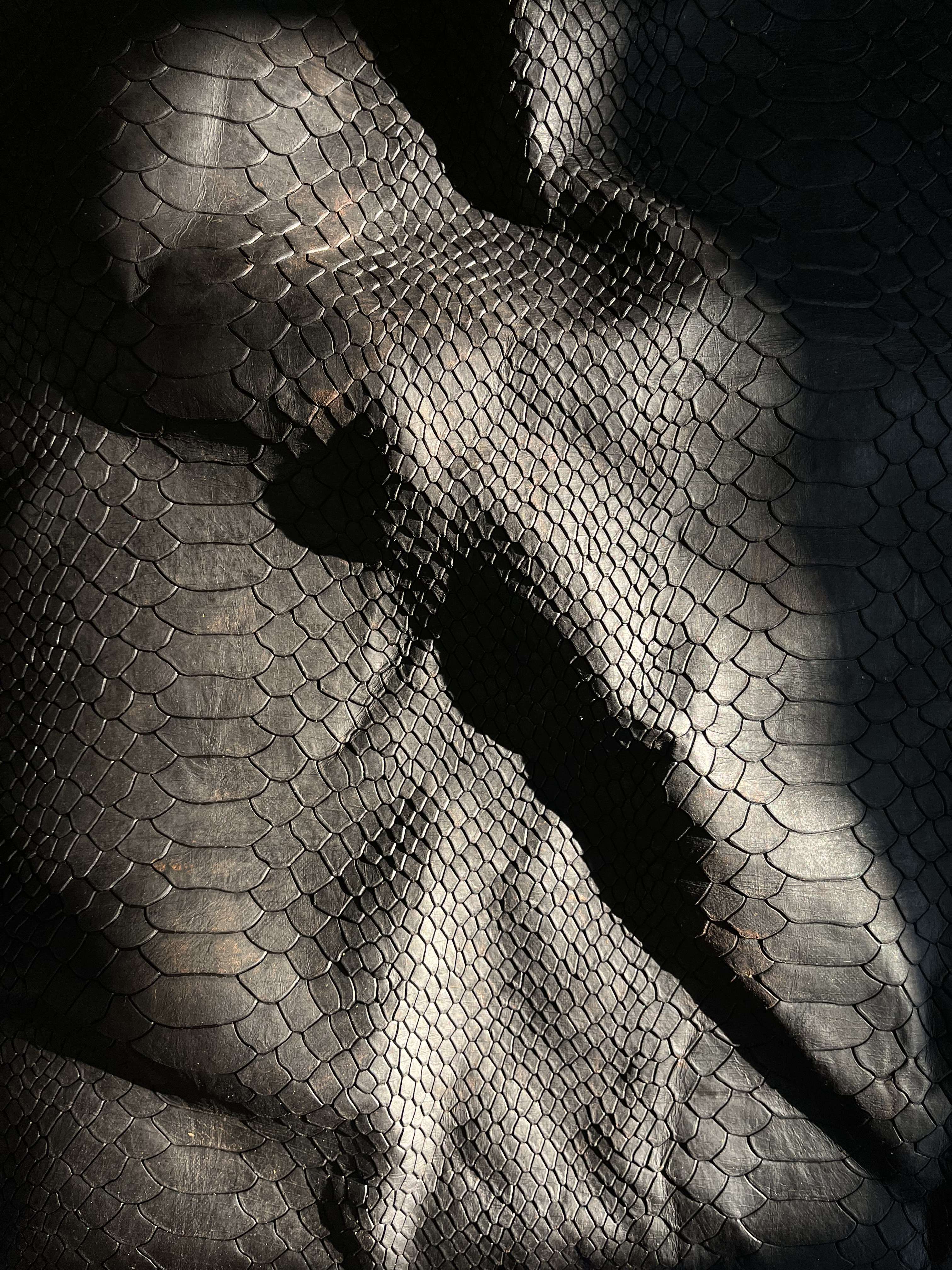
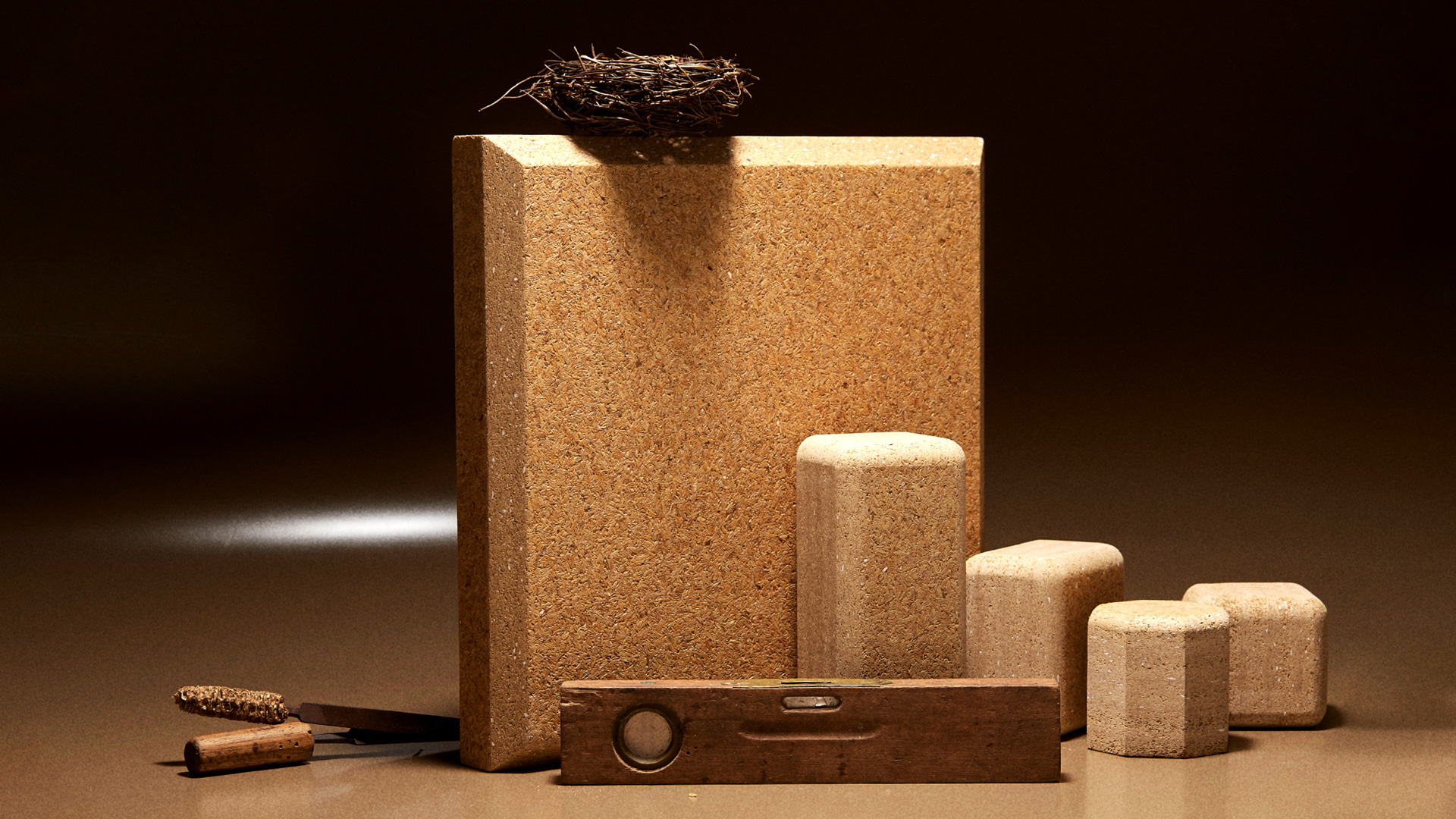
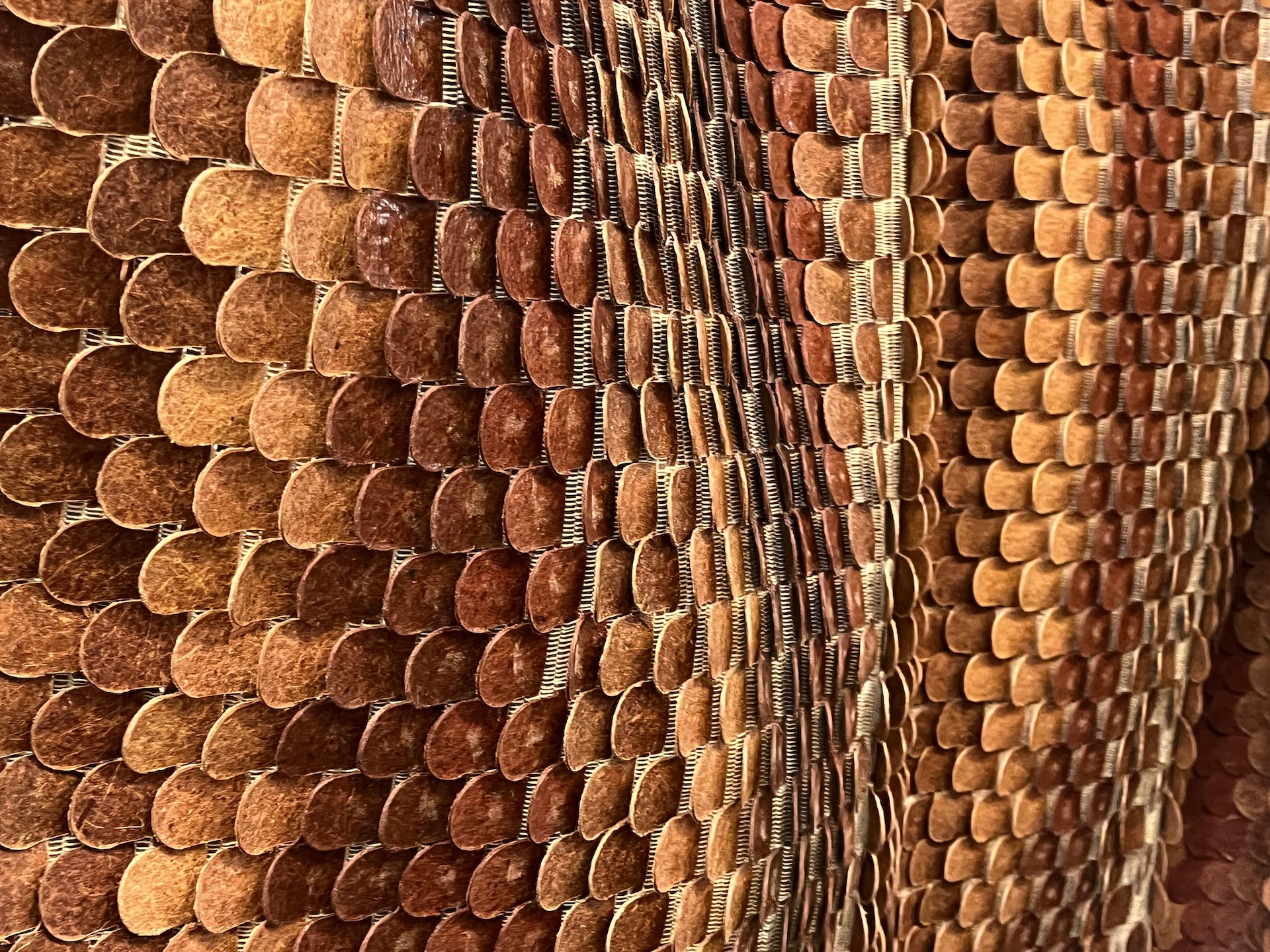
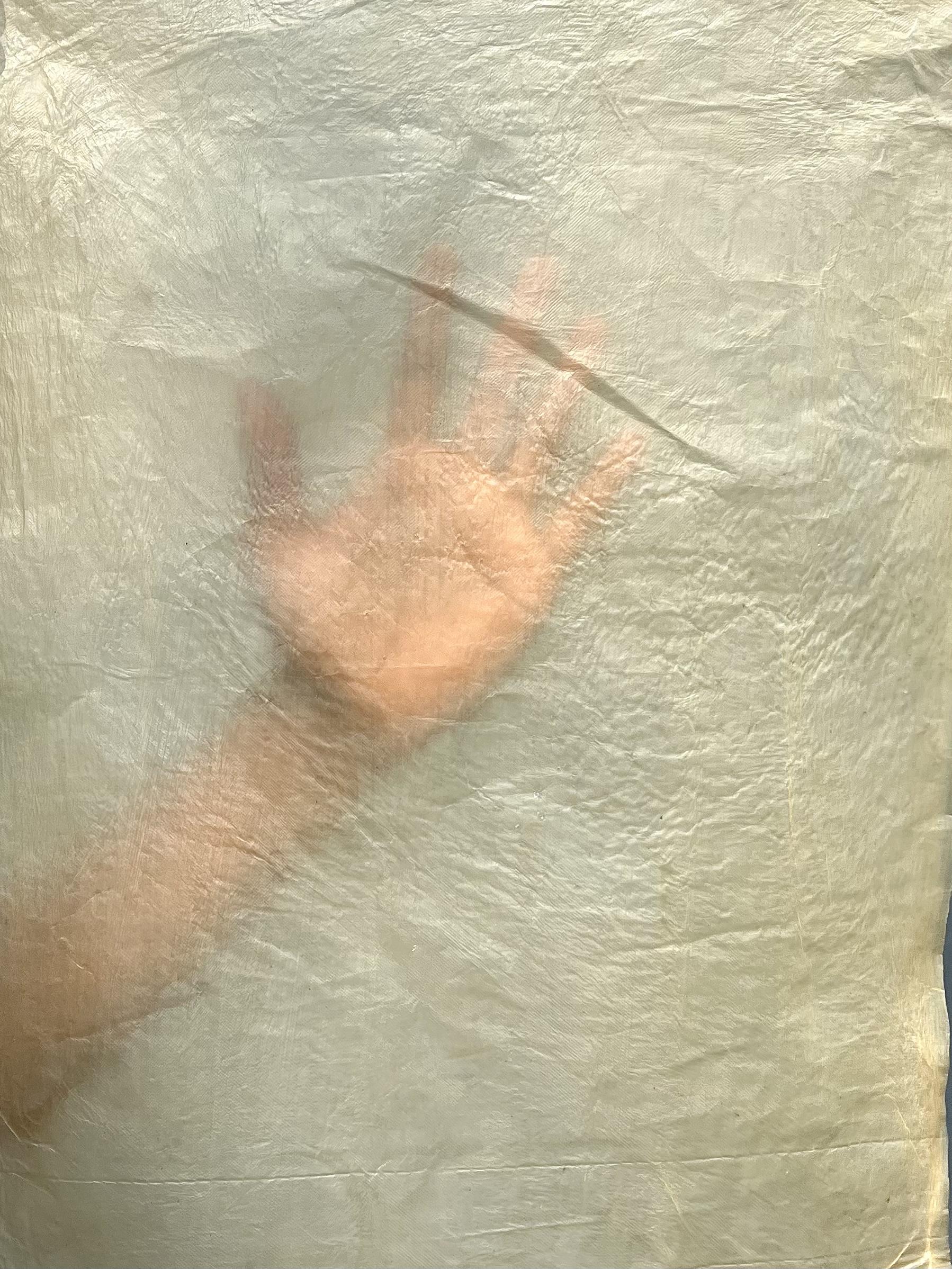
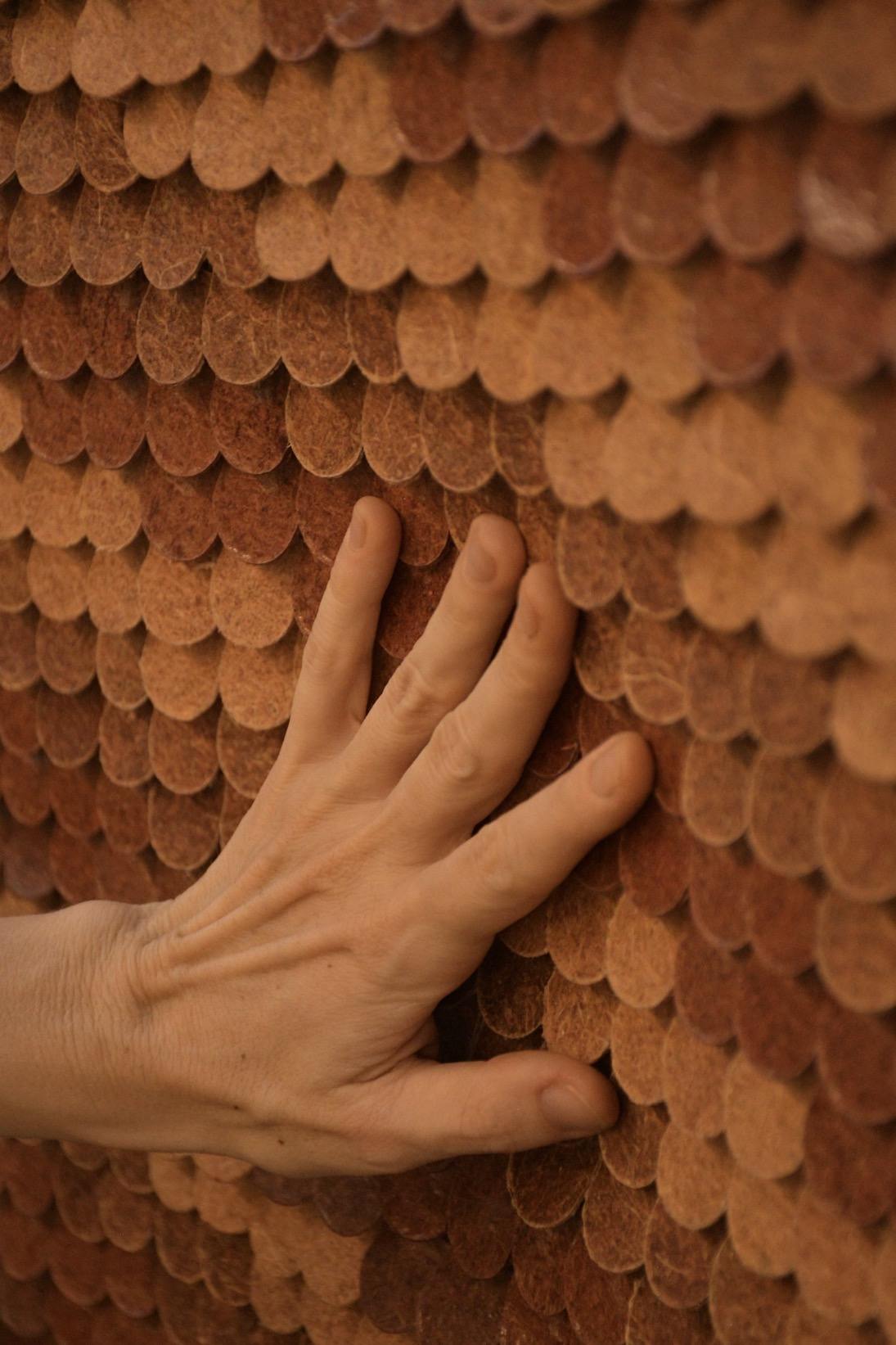
Malai.eco is a biomaterial design studio from India/Slovakia developing sustainable alternatives to leather and synthetic materials using bacterial cellulose grown from coconut water waste. Rooted in material research, craft collaboration, and circular design, the brand combines biotechnology with traditional knowledge systems to create biodegradable materials and products for fashion, interiors, and design applications. Through partnerships with artisans and global designers, Malai.eco explores materials as cultural, sensory, and ecological experiences while promoting regenerative production and responsible consumption.

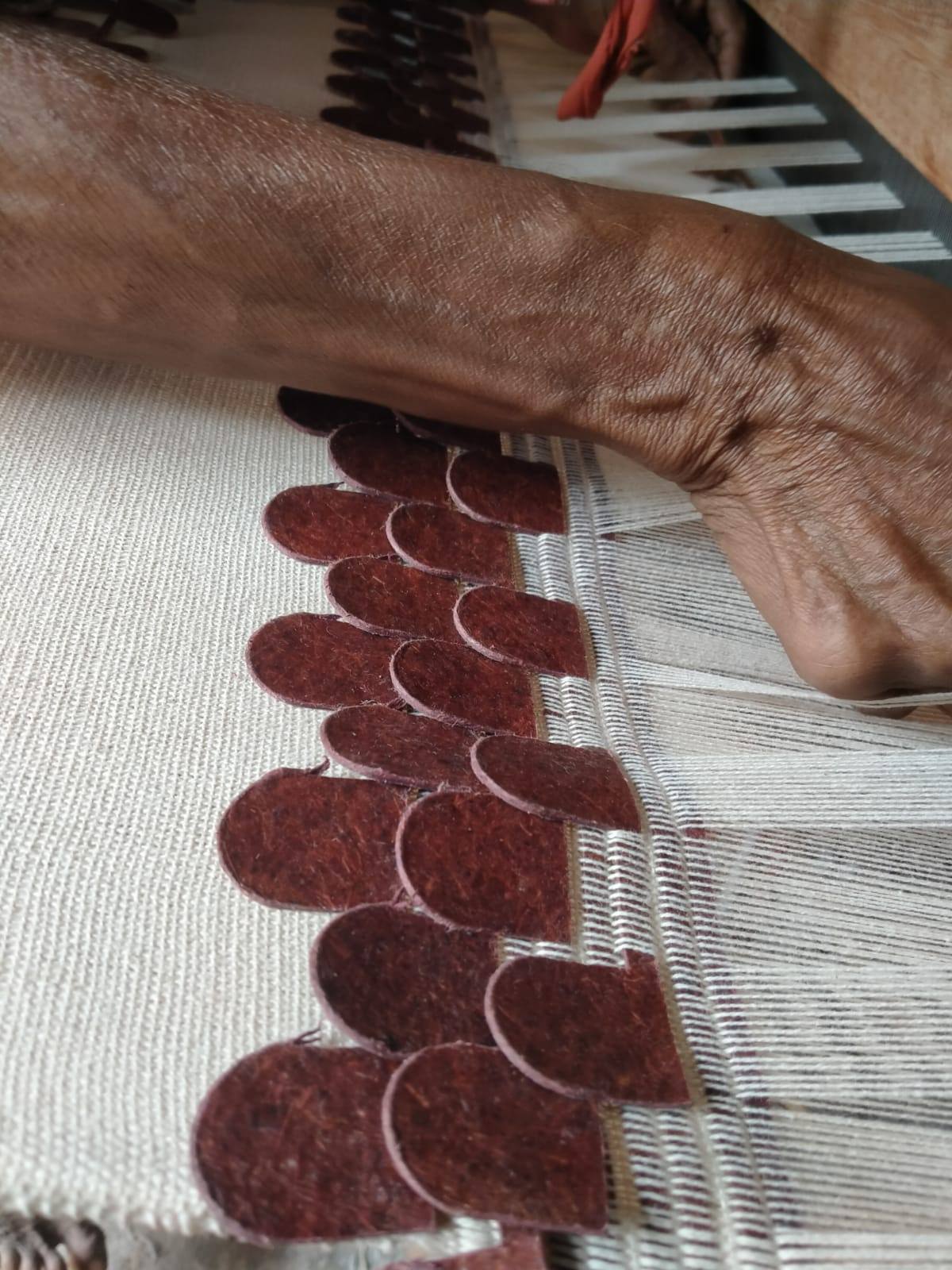
Malai.eco presents a series of new material developments created at its R&D studio, including the latest Malai Pure variants and prototypes exploring their applications across fashion, textiles, and objects. The exhibition premieres the Armadillo textile tapestry developed in collaboration with Khadi handloom weavers from Kannur, Kerala, alongside experimental biocomposite and textile samples. A selection of interior–oriented objects created through traditional South Indian craft techniques, including koodai and palm frond weaving, demonstrates both loom and off–loom possibilities of the materials as expressive and adaptable design matter. Participation enabled by grant from Vinne Municipality, Slovakia.
Related Exhibitions
No items found.
No other exhibitions at this time
Other Exhibitions
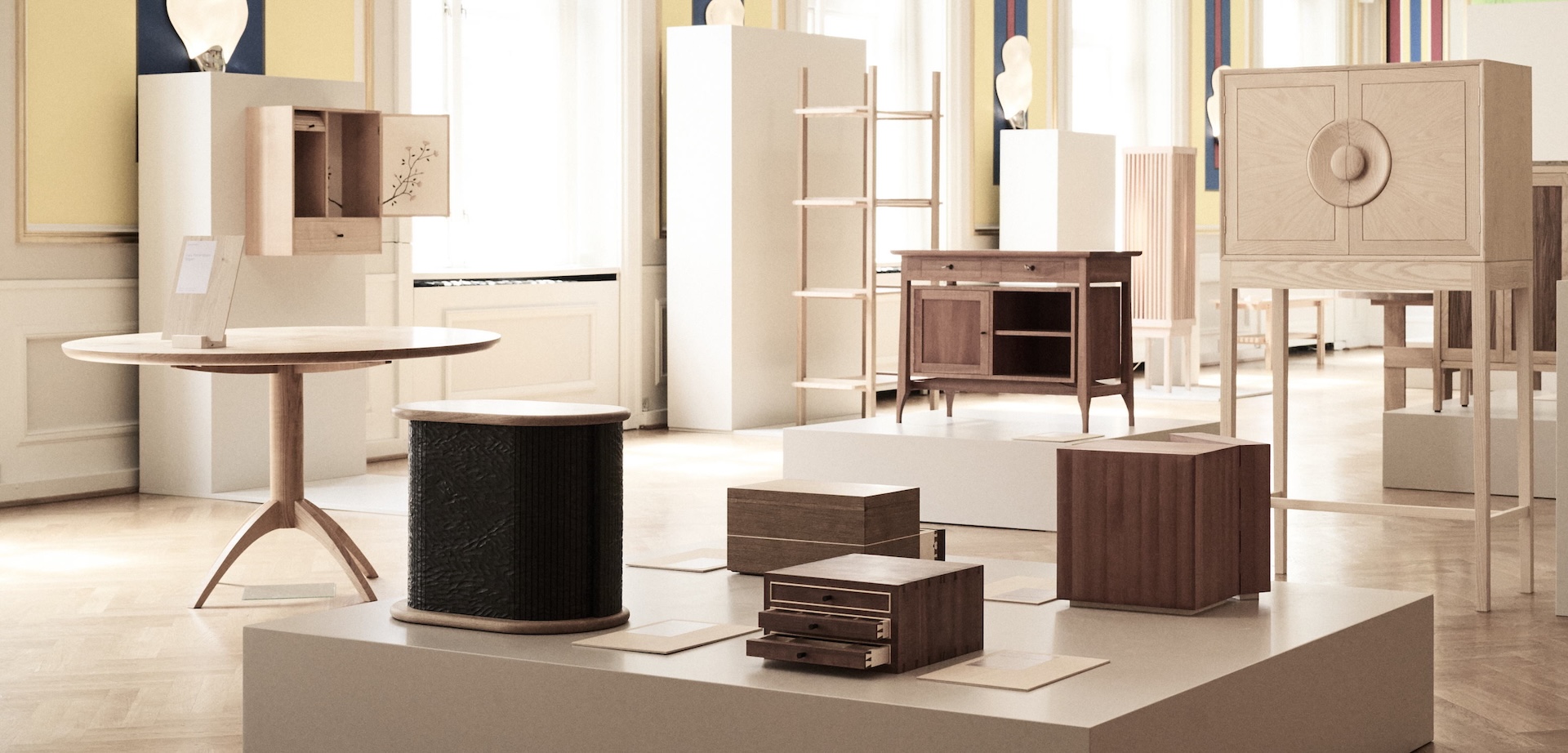
Slow Extraction / Dimora Circolare / Wasted / La Mesure. Marco Evaristti is an artist and architect trained in the studio of Professor Henning Larsen. His work operates between art, architecture, and design, examining responsibility and the systems shaping contemporary life. During 3daysofdesign, he presents Slow Extraction at the Odd Fellow Palace. The installation treats furniture as spatial structure—circular forms and cubes creating rhythm and small–scale architecture. Crafted in FSC–certified wood and plant–based textiles, materials remain visible. La Mesure extends the project, focusing on the body as measure and proposing furniture as lived architecture.
Evaristti Studio
February 2, 2026
PBJ Designhouse was founded in 1968 and has been Danish–owned ever since. PBJ is known for making modern home furniture inspired by classic Danish design and they now also expands into commercial interiors. As workplaces and hospitality spaces embrace home–like aesthetics, PBJ adapts its classics for lounges, conference rooms, and restaurants. Each piece meets strict sustainability standards, including testing of surfaces, durability and strengths. The result is furniture with idea and identity, form and function, finish and finesse, both for private homes and contract markets.
PBJ Designhouse
December 11, 2024
Kast is an award-winning British brand known for its sculptural concrete basins, combining architectural form with meticulous craftsmanship. Designed and handcrafted in Nottinghamshire, each piece is produced in-house before being shipped to projects worldwide. As the first brand to create a dedicated collection of concrete wash basins, Kast redefined the material, transforming concrete from industrial to expressive. Today, the collection spans a wide range of forms and a palette of 28 colours, revealing the depth, texture and individuality of concrete. With over two decades of expertise, Kast continues to explore the boundaries of form, colour and craft.
Kast
February 2, 2026
Ever since Danish designer Arne Munch designed the original Classic kitchen in 1968, uno form has been dedicated to crafting bespoke kitchens. With no compromise. Arne Munch’s passion for bespoke craftsmanship, simple and functional design and an uncompromising approach to aesthetics still lives on in everything that uno form does.
uno form
January 13, 2022
×
Malai
Check back soon!